2026 Best Benefits of Wooden Educational Toys for Kids

Time:2026-06-22 Author:Mason
0%

Wooden educational toys have gained popularity for their lasting benefits to children's development. According to Dr. Emily Johnson, a child development specialist, "Wooden toys nurture creativity and learning through play." So, what are the benefits of wooden educational toys? They encourage imaginative play, enhance fine motor skills, and promote problem-solving capabilities.

These toys are crafted with natural materials, making them safe and durable. This durability means children can enjoy them for years. Unlike plastic, wooden toys can be both tactile and visually appealing. They allow children to explore textures and shapes through hands-on experience.

Critics often argue that digital toys are more engaging. However, studies show that wooden toys stimulate concentration and cognitive skills more effectively. Parents should consider the long-term developmental benefits. Choosing wooden educational toys fosters a deeper connection to learning and creativity. In embracing natural materials, we embrace a more thoughtful approach to childhood play.
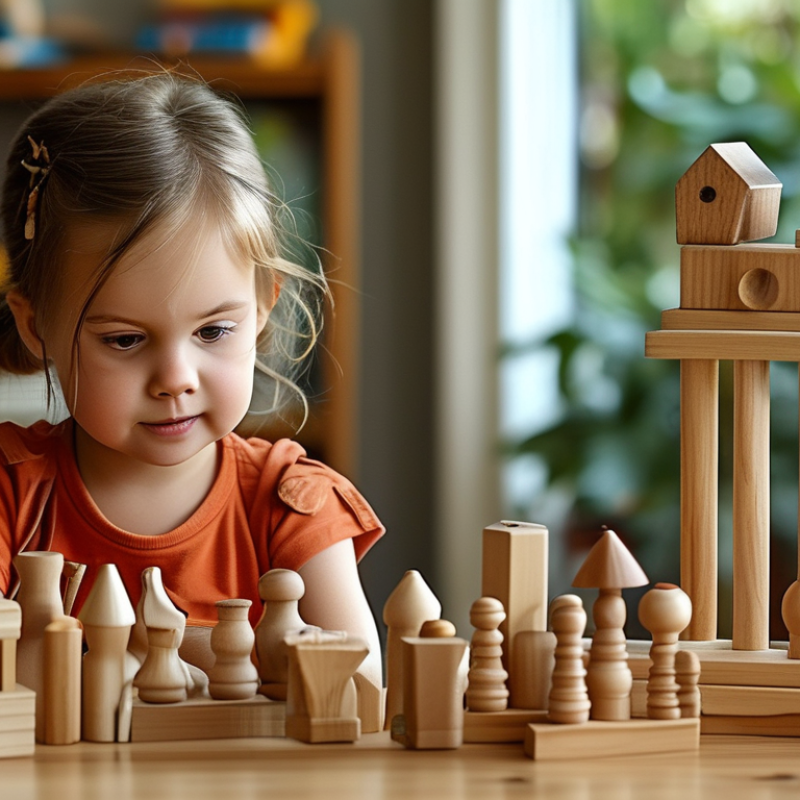
2026 Best Benefits of Wooden Educational Toys for Kids

The Role of Wooden Educational Toys in Cognitive Development for Children

Wooden educational toys play a significant role in children's cognitive development. Research indicates that hands-on play enhances problem-solving skills. A study from the American Academy of Pediatrics suggests that children using wooden toys perform better in spatial awareness tasks. These toys naturally encourage creativity, allowing children to explore and develop their imagination.

Moreover, the tactile nature of wood helps children engage their senses. According to the Journal of Child Psychology, sensory play can improve fine motor skills and hand-eye coordination. Engaging with these toys can lead to improved focus and attention spans. Interactive play fosters a sense of curiosity and encourages children to ask questions about their environment.

However, not all wooden toys are designed effectively. Some lack clear educational objectives, limiting their potential benefits. It's essential for parents and educators to choose toys that stimulate critical thinking and encourage exploration. Balancing fun with learning can be challenging but crucial for optimal cognitive growth in children.

2026 Best Benefits of Wooden Educational Toys for Kids

Benefit Description Cognitive Skills Enhanced Recommended Age
Stimulates Imagination Encourages children to create imaginative scenarios during play. Creative Thinking, Problem Solving 2-6 years
Enhances Motor Skills Improves fine motor skills through manipulation of pieces. Hand-Eye Coordination, Dexterity 1-5 years
Promotes Social Skills Facilitates cooperative play and sharing among peers. Communication, Teamwork 3-7 years
Encourages Mathematical Thinking Teaches counting, sorting, and patterns through play. Numeracy, Logical Thinking 3-6 years
Supports Emotional Development Allows expression of feelings and coping skills through role play. Emotional Intelligence, Resilience 4-7 years

Statistical Analysis of Child Engagement with Wooden Toys vs. Plastic Alternatives

Wooden educational toys have gained popularity in recent years. Parents are increasingly interested in the benefits they offer. Statistical analysis shows that children engage more deeply with wooden toys compared to their plastic counterparts. This engagement fosters creativity and problem-solving skills.

Observations reveal children often focus longer when playing with wooden toys. They tend to explore textures and shapes, leading to imaginative play. In contrast, plastic toys sometimes distract with flashy colors and sounds. It's interesting to note that while children enjoy both types, the lasting impact of wooden toys is significant.

However, not all children may prefer wooden toys. Some might find them less visually stimulating. Moreover, the initial cost can deter parents. It's essential to consider these factors when choosing toys. Reflecting on personal experiences helps in making informed decisions for your child's development.

The Impact of Sensory Play in Early Childhood Development and Learning

Sensory play plays a crucial role in early childhood development. It engages children's senses, sparking curiosity and creativity. Research shows that 90% of a child's brain develops by age five. This highlights the importance of effective play. Toys that stimulate the senses can enhance cognitive skills. Wooden educational toys provide a tactile experience. Children explore textures, shapes, and sounds, leading to deeper learning.

A study by the National Association for the Education of Young Children found that sensory play improves fine motor skills. These skills are essential for everyday tasks like writing and self-care. Additionally, sensory activities can boost language development. Children often describe their experiences, expanding their vocabulary. However, not all sensory play is equally effective. It requires careful selection of toys and activities to maximize benefits.

Moreover, sensory play helps in emotional regulation. Children learn to express their feelings through hands-on experiences. While wooden toys are beneficial, they are not a panacea. Parents and educators must remain attentive to individual needs. Some children may react differently to sensory stimuli. It is essential to create a balanced environment that fosters growth and exploration.

Benefits of Sustainability: Eco-Friendly Aspects of Wooden Educational Toys

Wooden educational toys are gaining attention for their eco-friendly aspects. Crafted from renewable resources, these toys help promote sustainability. Unlike plastic counterparts, wooden toys decompose, reducing landfill waste. Choosing wooden toys supports a cycle of responsibility.

These toys often lack chemical coatings, making them safer for children. Parents enjoy peace of mind knowing that their kids interact with natural materials. Sustainability, however, doesn’t come without challenges. Sourcing high-quality wood can sometimes harm forests if done irresponsibly. Prioritizing certified sustainable products is essential.

Engaging with wooden toys also encourages creativity. Children can explore textures and colors without the distractions of electronic devices. However, not all wooden toys are created equal. Some require fine motor skills that may frustrate younger children. It’s vital to consider developmental stages when selecting toys. Through careful choices, we can foster both learning and environmental consciousness.

Long-Term Effects of Play: How Wooden Toys Encourage Lifelong Learning Skills

Wooden educational toys offer more than just fun; they provide essential learning experiences for children. These toys engage kids in imaginative play, fostering creativity and problem-solving skills. While they play, children develop motor skills and learn to cooperate with peers. The feel of wood also enhances sensory awareness, unlike plastic toys that lack tactility.

**Tips:** Choose toys that promote open-ended play. Consider puzzles or building blocks that allow kids to create freely. This encourages an exploration of concepts like balance and design.

Furthermore, many wooden toys are durable. They withstand rigorous play, teaching children about persistence and care. Kids learn that taking care of their toys leads to longer-lasting enjoyment. However, it’s crucial to engage with them during play. Observe and interact to guide their learning journey.

**Tips:** Ask open-ended questions during playtime. This fosters communication and critical thinking. Encourage children to explain their ideas or even challenges they face with the toys, promoting reflection and deeper understanding.

FAQS

: What are the benefits of wooden educational toys for children?

: Wooden educational toys enhance cognitive development and improve problem-solving skills. They encourage creativity and imagination in kids.

How do wooden toys influence sensory play?

Wooden toys engage children's senses, helping to explore textures and sounds. This tactile experience leads to deeper learning.

Can wooden toys improve fine motor skills?

Yes, engaging with wooden toys can significantly enhance fine motor skills and hand-eye coordination, aiding daily tasks.

Are all wooden toys effective for children's learning?

Not all wooden toys have clear educational objectives. Parents should choose toys that stimulate critical thinking for better engagement.

How does sensory play contribute to emotional development?

Sensory play helps children learn emotional regulation, enabling them to express feelings through hands-on experiences.

Is sustainability a key benefit of wooden toys?

Yes, wooden toys are eco-friendly, made from renewable resources, and they reduce landfill waste compared to plastic toys.

Do wooden toys have safety advantages?

Many wooden toys lack chemical coatings, making them safer for children to play with compared to plastic alternatives.

What challenges exist with wooden toy production?

Sourcing wood can harm forests if not done responsibly. It's crucial to select products that are certified sustainable.

How can parents maximize the benefits of sensory play?

Parents should carefully select toys and activities to suit individual children's needs, ensuring effective sensory experiences.

Can sensory play aid in language development?

Indeed, sensory activities encourage children to describe their experiences, which helps expand their vocabulary significantly.

Conclusion

The article "2026 Best Benefits of Wooden Educational Toys for Kids" explores the various advantages of wooden educational toys in children’s development. It highlights the significant role these toys play in cognitive development by enhancing problem-solving skills and creativity. Through statistical analysis, the article contrasts child engagement with wooden toys against plastic alternatives, showcasing the preference and increased focus children exhibit towards the natural materials of wood. Furthermore, it emphasizes the benefits of sensory play, demonstrating its impact on early childhood learning.

Additionally, the article discusses the eco-friendly aspects of wooden educational toys, emphasizing sustainability and the positive environmental effects of choosing wood over plastic. Finally, it addresses the long-term benefits of play, illustrating how wooden toys foster lifelong learning skills. In conclusion, these insights collectively answer the question, what are the benefits of wooden educational toys, underscoring their critical role in not only immediate educational engagement but also in promoting sustainable play practices for future generations.

Mason

Mason

Mason is a seasoned marketing professional with a deep expertise in the company's offerings and a passion for driving brand awareness. With a strong background in digital marketing strategies, he has an innate ability to connect with diverse audiences and effectively communicate product benefits.......