In recent years, there has been a growing interest in the role of toys in childhood development. Wooden toys, in particular, have garnered attention for their potential benefits in supporting language development. Dr. Emily Hayes, a child developmental psychologist, emphasizes, "Wooden toys can stimulate creativity, which in turn enhances communication skills." This insight leads us to explore how can wooden toys support language development in young children.
These toys engage children in imaginative play. The tactile nature of wood invites exploration and storytelling. Children manipulate these toys, creating scenarios that require them to express thoughts and ideas verbally. As they play, they encounter new vocabulary and concepts. Parents or caregivers can reinforce this by participating in playtime. Narrating the actions or asking questions encourages dialogue.
Despite the evident benefits, some may question the limitations of wooden toys. Not every child may respond the same way. Individual preferences and play styles can impact learning. It's crucial to observe how each child engages with these toys. This helps in tailoring play experiences to meet their unique developmental needs. Overall, understanding how can wooden toys support language development can guide caregivers in making informed choices for enriching their children’s learning experiences.
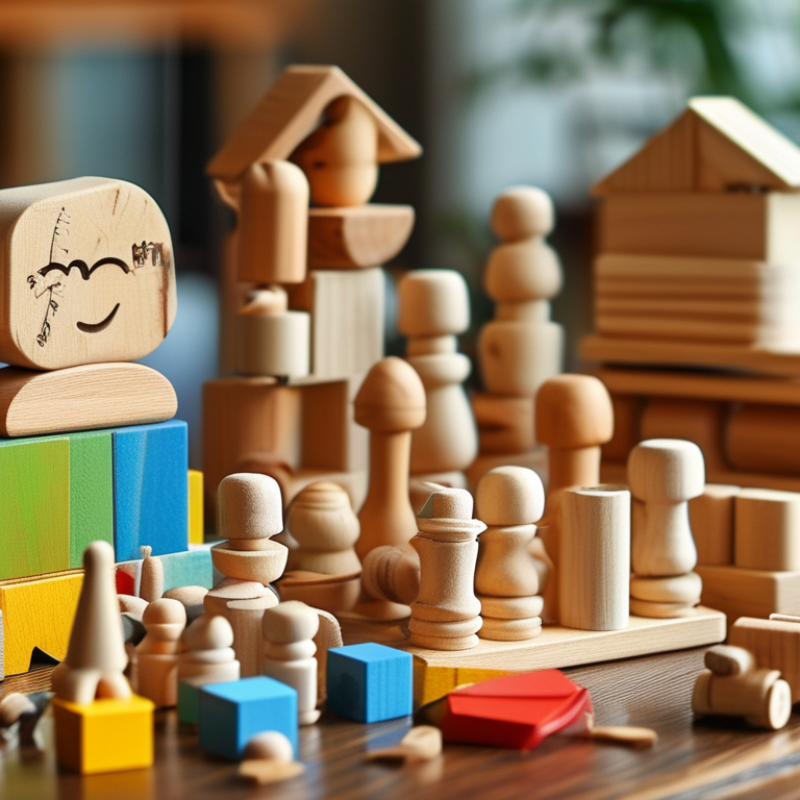
Wooden toys hold a special place in early childhood development, especially for language skills. Their tactile nature allows children to explore while learning. These toys can enhance vocabulary by encouraging imaginative play. For instance, a simple wooden block set can inspire children to create stories as they build. This creative process fosters their ability to use language expressively.
Incorporating wooden toys in playtime can be beneficial. Parents can engage in conversations while children play. Describe the colors, shapes, and actions involved with the toys. This practice creates a rich linguistic environment. Children naturally absorb new words and concepts through playful interaction. Storytelling can also be enhanced using characters from their toys. Encourage children to narrate their adventures, prompting them to form sentences and express ideas.
Remember that not all children engage with toys the same way. Some may prefer solitary play while others thrive in social settings. It's essential to observe their preferences. Adjust interactions based on their comfort levels. Language development is not a race. Providing multiple opportunities through various wooden toys can support growth at their pace. This flexible approach fosters both learning and enjoyment in their language journey.
This chart shows the effectiveness of various wooden toys in promoting language development among children based on a score out of 10. Each toy contributes uniquely to supporting early childhood learning and communication skills.
Wooden toys have been cherished for generations. They offer unique benefits for language development in young children. Many wooden toys encourage imaginative play. This type of play is vital for communication skills. When children create stories or scenarios, they practice verbal skills. For instance, a simple wooden block set can lead to endless storytelling adventures. Kids might describe their creations, enhancing vocabulary and expression.
The tactile nature of wooden toys aids exploration. Children can feel the smooth edges and varied textures. This sensory experience fosters engagement. It encourages kids to ask questions and learn new words. Additionally, many wooden toys are designed for cooperative play. Games that require teamwork promote discussions and shared language use. Through cooperation, children learn to express ideas and resolve conflicts verbally.
However, not all wooden toys are created equally. Some lack the imaginative element needed for effective language development. This could lead to frustration and limited vocabulary. Choosing toys that inspire creativity and communication is crucial. Parents should observe how their child interacts with toys. Reflecting on these interactions can guide future choices. The right wooden toys might unlock new language skills, making play both fun and educational.
Play is a crucial element in language acquisition. Research shows that interactive play helps children learn words and phrases. When kids engage with wooden toys, they explore and express themselves. Simple objects can spark imagination, leading to conversations and storytelling.
Language development often occurs naturally during play. Children mimic sounds and words as they interact with peers. Wooden toys, such as blocks or animals, encourage this type of interaction. These toys promote role-playing, which can enhance vocabulary. However, not all play is equally beneficial. Children need guidance to maximize these experiences.
Observing children during play can reveal much about their language skills. Some may excel while others struggle with communication. Reflecting on these differences is essential. Not every toy will suit every child, and it's important to adapt activities to individual needs. Creating a supportive environment encourages all children to thrive.
| Toy Name | Age Range | Language Development Benefits | Material Quality | Average Cost (USD) |
|---|---|---|---|---|
| Balancing Blocks | 2-5 years | Enhances vocabulary and encourages storytelling | High-quality, non-toxic wood | 25 |
| Wooden Alphabet Puzzle | 3-6 years | Supports letter recognition and phonics skills | Eco-friendly wood, safe finishes | 20 |
| Stacking Rings | 1-3 years | Encourages early language through shapes and colors | Sturdy wood, smooth edges | 15 |
| Musical Instruments Set | 2-5 years | Enhances auditory skills and language rhythm | Natural wood, child-safe paints | 30 |
| Storytelling Cubes | 4-8 years | Stimulates creativity and narrative skills | Premium hardwood, colorful images | 35 |
Choosing the right toys can significantly impact a child's language development. Wooden toys are not just eco-friendly; they also provide a tactile experience that plastic toys often lack. These toys encourage children to engage in imaginative play. Imaginative play is crucial for language skills. Children create stories, interact with others, and build vocabulary while playing.
Child development experts highlight toys that stimulate conversation and storytelling. Simple puzzles and building blocks can inspire narratives. A child may describe what they are building, ask questions, or even engage in role-play scenarios. This type of interaction fosters communication skills. Additionally, toys that require collaboration can promote teamwork, further enhancing verbal abilities.
While many wooden toys offer these benefits, not all will engage every child. It's essential to consider the child's interests. Some children may prefer active play, while others enjoy quiet, focused tasks. Observing how a child interacts with different toys can provide valuable insight. Finding that balance can take time and reflection. It's a journey, not always straightforward, but worth exploring.
When selecting wooden toys to support language development, consider a few key factors. The toy should encourage interactive play. Toys that require more than one child can foster conversation and sharing. According to a report from the American Academy of Pediatrics, social play enhances communication skills significantly. Children learn new words through interaction and storytelling.
Look for toys that stimulate imagination. Blocks and figures can be used in countless narratives. Research shows that imaginative play leads to improved vocabulary. A study from the National Association for the Education of Young Children found that tactile experiences enhance learning. Children build language skills as they describe their creations.
Lastly, ensure the toy is safe and age-appropriate. For example, smaller pieces may not be suitable for toddlers. A 2020 safety report indicated that injuries from choking hazards are rising among young children. Parents should be cautious and read guidelines carefully. The right toys can make a difference in language growth, but they must also be safe.
: Wooden toys promote imaginative play, which is crucial for developing communication skills.
They encourage cooperative play, fostering discussions and shared language use among children.
Imaginative play allows children to create stories, enhancing their vocabulary and verbal expression.
Parents should look for toys that inspire creativity and observe their child’s interactions with them.
Toys must be safe and age-appropriate to avoid choking hazards and ensure children's safety during play.
No, not all toys engage every child; interests vary and should guide toy selection.
Children learn by asking questions and describing their creations during play with wooden toys.
Such toys may frustrate children and limit vocabulary development, potentially hampering language growth.
Observing interactions helps parents understand what captures their child's interest and supports language skills.
It can be a challenging journey; finding the right balance takes time and reflection on children's preferences.
Wooden toys play a crucial role in early childhood language development, offering various benefits that enhance children's communication skills. These toys often feature vibrant colors, various textures, and interactive designs that stimulate imagination and encourage verbal interactions. By engaging with wooden toys, children can explore language naturally through play, which is essential for their cognitive growth.
Research suggests that play is intricately linked to language acquisition, as it provides opportunities for children to express themselves, learn new vocabulary, and practice conversational skills. The article also highlights recommended wooden toys for 2026, curated by child development experts, focusing on those that empower language growth. To maximize the benefits, parents should consider guidelines for selecting toys that foster meaningful language experiences, ultimately answering the question: how can wooden toys support language development?

Chicharo Toys