When parents compare wooden and plastic toys, the decision often begins with a simple question: what are the differences between wooden and plastic educational toys? The answer reaches beyond appearance. A smooth wooden puzzle feels warm, firm, and slightly imperfect in a child’s hands. Plastic blocks feel lighter, brighter, and easier to wash after messy play. These physical details shape how children handle, stack, sort, and imagine objects. Wooden toys often encourage slower, open-ended play. Plastic toys may offer moving parts, vivid colors, and precise designs. Both can teach. Material alone does not determine learning value. A well-designed toy supports problem-solving, language, coordination, or social play, regardless of its composition.
Practical experience also changes the comparison. In classrooms, wooden pieces can survive years of careful use, but chipped edges require inspection. Plastic toys resist moisture and frequent cleaning, yet thin parts may crack or disappear. Neither material is automatically safer or more sustainable. Quality, age suitability, coatings, ventilation, and responsible manufacturing matter. Reliable guidance comes from checking product information, safety labeling, and independent testing where available. Some claims about “natural” wood or “indestructible” plastic sound convincing, but they deserve questions. A personal preference can also distort judgment; I sometimes value wood’s tactile character more than its actual educational benefit. This article examines durability, safety, sensory experience, environmental considerations, cost, and play value. The goal is not to crown one winner. It is to help families and educators choose thoughtfully for real children, real routines, and real spaces.
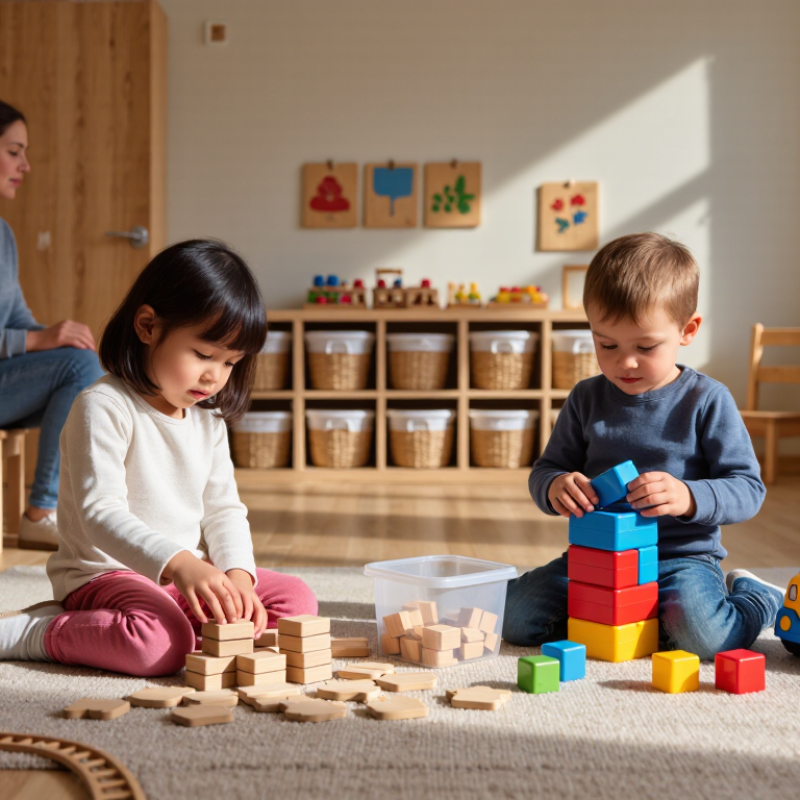
Wooden and plastic toys begin with very different materials and manufacturing decisions. Wood is usually cut from solid boards or shaped from laminated pieces. Manufacturers dry it carefully to reduce cracking and warping. Sanding removes rough edges before assembly. Some toys receive water-based paint or a clear protective coating. The grain remains visible.
Plastic toys often start as small resin pellets. Heat melts the pellets, and pressure forces the material into a metal mold. The parts cool quickly and can be produced with consistent sizes. This process creates smooth wheels, hinges, and detailed figures. However, excess plastic, called flash, still needs trimming. Small molding errors can affect fit and safety.
Material choice changes the toy’s physical character. Wood feels warm and has slight differences between pieces. Plastic feels lighter, resists moisture, and allows more complex shapes. Neither material is automatically safer. A wooden toy can split if the grain is weak. A plastic toy can crack, expose sharp edges, or contain poorly secured small parts. Quality control should include edge inspection, pull testing, paint adhesion checks, and age-appropriate design reviews. Manufacturing standards help, but inspection remains essential. A beautifully finished surface does not prove strong construction. That is easy to overlook. Even recyclable plastic may not be accepted locally, while unfinished wood can absorb dirt and moisture. Materials matter, but manufacturing discipline matters more.
| Comparison Dimension | Wooden Toys | Plastic Toys |
|---|---|---|
| Primary Material | Solid wood, plywood, or engineered wood made from plant-based fibers. | Thermoplastics such as polypropylene, polyethylene, ABS, PVC, or polystyrene. |
| Typical Material Density | Approximately 0.35–0.90 g/cm³, depending on the species and moisture content. | Approximately 0.90–1.40 g/cm³ for many commonly used toy plastics. |
| Main Manufacturing Processes | Sawing, routing, turning, sanding, drilling, assembly, and surface finishing. | Injection molding, blow molding, rotational molding, extrusion, trimming, and assembly. |
| Production Efficiency | Usually requires more machining and manual finishing, especially for small or irregular batches. | Highly efficient for large production runs because one mold can produce many consistent parts. |
| Dimensional Consistency | Natural grain, moisture changes, and machining can create small variations between pieces. | Generally offers high dimensional consistency when temperature, pressure, and molds are controlled. |
| Surface Appearance | Visible grain and natural color variation; may be painted, stained, or coated. | Uniform color and smooth molded surfaces; textures, patterns, and multiple colors can be molded in. |
| Typical Durability | Rigid and resistant to compression, but may dent, crack, splinter, or absorb moisture if poorly finished. | Often resistant to moisture and impact, but some plastics can become brittle, scratch, or deform with heat and sunlight. |
| Weight and Handling | Often feels solid and substantial; weight varies widely with wood species and design. | Can be lightweight or rigid; hollow molded construction can reduce weight and material use. |
| Moisture Resistance | Limited without protective coatings; prolonged exposure to water can cause swelling, warping, or finish damage. | Most common toy plastics do not absorb significant water, although seams, coatings, and metal parts may still be affected. |
| Repairability | Can often be sanded, glued, repainted, or repaired with replacement wooden parts. | Some parts can be replaced or reattached, but cracked or chemically damaged plastic is often difficult to repair invisibly. |
| End-of-Life Options | Untreated wood may be reusable, repairable, or recyclable as wood; painted, glued, or composite wood may require specialized handling. | Some single-material plastics can be mechanically recycled, but mixed materials, additives, paint, and small size can make recycling difficult. |
| Biodegradability | Untreated natural wood can biodegrade under suitable biological conditions. | Most conventional toy plastics are not readily biodegradable and can persist for many years in the environment. |
| Manufacturing Waste | Offcuts and sawdust are common; clean wood residues may be reused or processed, while treated residues need controlled disposal. | Production scrap can sometimes be reground and reused, but this depends on polymer type, color, contamination, and product specifications. |
| Design Flexibility | Well suited to simple shapes, tactile surfaces, stacking pieces, puzzles, and solid components. | Well suited to complex geometries, thin walls, hinges, interlocking parts, transparent sections, and integrated details. |
| Safety Considerations | Requires smooth edges, secure joints, non-splintering surfaces, and coatings suitable for the intended age group. | Requires control of sharp edges, small detachable parts, material additives, pigments, and potential breakage points. |
| Best-Suited Applications | Simple educational toys, building pieces, role-play accessories, puzzles, and products emphasizing natural tactile qualities. | Detailed play sets, articulated figures, bath toys, outdoor toys, vehicles, and high-volume products with complex shapes. |
Wooden toys are cut from solid boards or shaped from laminated pieces. The wood is dried to reduce cracking and warping. Sanding removes rough edges before assembly. Some toys receive water-based paint or clear coatings.
Plastic toys usually begin as resin pellets. Heat melts them, then pressure pushes the material into metal molds. The parts cool quickly and form consistent shapes. Extra plastic, called flash, must be trimmed.
Wood feels warm, solid, and slightly different from piece to piece. Plastic feels lighter and resists moisture. Neither material is automatically safer. Feel alone proves very little.
Not always. Weak wood can split, while cracked plastic can expose sharp edges. Loose small parts create risks in either material. Inspect every toy carefully.
Choose large, securely attached parts and smooth edges. Avoid cracked surfaces, peeling paint, and loose components. Babies often explore toys with their mouths. Small parts matter.
Toddlers benefit from pushing, stacking, sorting, and simple pretend play. Wooden blocks and pull toys can handle daily use. Plastic bath toys are easier to wash. Rounded corners remain important.
Choose according to the activity, not habit. Wooden sets may support slower building and hands-on play. Plastic pieces can offer bright colors, flexible shapes, and easy storage. Purpose should guide the choice.
Inspect edges, joints, paint adhesion, and small parts regularly. Consider pull testing for attached components. Check toys after drops or rough handling. Looks can mislead.
No. A smooth surface does not guarantee secure assembly or durable materials. Manufacturing standards help, but inspection still matters. I may overvalue appearance sometimes. That is worth reconsidering.
Wooden and plastic toys differ in materials, manufacturing, safety, durability, and care requirements. Wooden toys are often solid, tactile, and long-lasting, while plastic toys can be lighter, more colorful, and easier to clean or shape into complex designs. When considering what are the differences between wooden and plastic educational toys, it is important to examine how each material supports learning. Wooden toys may encourage imaginative play, fine motor control, and sensory exploration through their natural texture and weight. Plastic toys can offer interactive features, varied colors, and designs that support early problem-solving and role-play.
The best choice also depends on a child’s age, interests, and purpose. Parents should check for smooth surfaces, secure parts, non-toxic finishes, and age-appropriate construction. Wooden toys may require protection from moisture, while plastic toys are generally easier to wash but may show wear or break under strong impact. From an environmental perspective, durable wooden toys can reduce replacement needs, whereas responsible plastic selection and recycling can help limit waste. Both types can be valuable when chosen thoughtfully.

 Chicharo Toys
