Top 5 Latest Trends in Wooden Educational Toys 2026?

Time:2026-08-30 Author:Isabella
0%

In recent years, the educational toy industry has seen exciting transformations. As we look towards 2026, it becomes essential to explore what are the latest trends in wooden educational toys. Many experts emphasize the need for toys that foster creativity, sustainability, and engaging play. Renowned toy designer Laura Evans notes, "Wooden toys ignite imagination while being eco-friendly." Her insights highlight a growing demand for products that are not only fun but also conscious of environmental impacts.

Parents and educators are more aware of the benefits of wooden toys. They encourage hands-on learning experiences. Trends indicate a shift towards multifunctional toys that adapt to different learning scenarios. There's also a notable rise in toys that incorporate technology while maintaining a natural feel. This hybrid approach appeals to modern families. It creates opportunities for improved social interaction and collaborative play.

Though the focus is on innovation, some challenges remain. Manufacturers must balance creativity and durability. As trends evolve, the community must reflect on the quality versus quantity debate in production. This could affect how these toys are perceived and valued. As 2026 approaches, the journey of wooden educational toys will surely continue to intrigue educators and consumers alike. The anticipation is palpable.
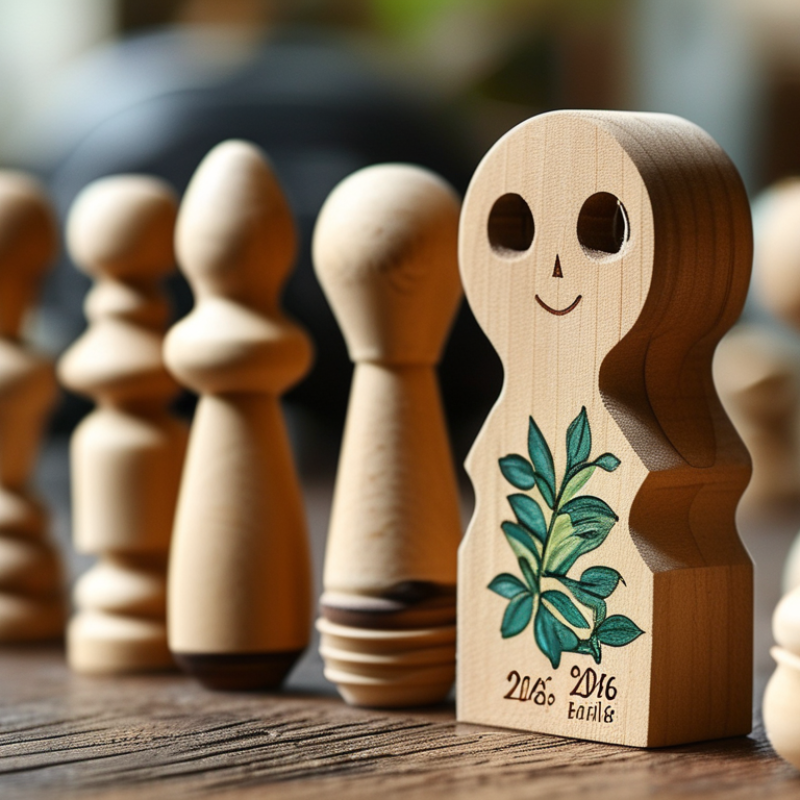
Top 5 Latest Trends in Wooden Educational Toys 2026?

Emergence of Eco-Friendly Materials in Wooden Toys

The trend of eco-friendly materials is shaping the future of wooden educational toys. As consumers become more environmentally conscious, manufacturers are embracing sustainable options. Reclaimed wood, bamboo, and natural paints are now common in designs. These materials reduce waste and pollution, making them perfect for children's play.

Parents can feel good about choosing toys made from eco-friendly materials. These toys are often free from harmful chemicals. This gives peace of mind during playtime. Look for certifications that ensure safety and sustainability. Checking the origin of wood can also provide insights into a product's eco-friendliness.

Exploring how wooden toys stimulate learning is essential. They promote creativity and fine motor skills. Children connect with nature while they engage with these toys. Choosing items that spark imagination and adventure can have lasting effects on development. It’s important to reflect on how these choices impact both children’s growth and the planet’s health.

Integration of Smart Technology in Educational Wooden Toys

The integration of smart technology into wooden educational toys is revolutionizing how children learn. These toys, traditionally known for their tactile appeal and durability, are now blending modern tech with classic design. The appeal lies in their ability to engage young minds through interactive play. Children can develop critical thinking and problem-solving skills while enjoying the warmth of wooden materials.

Smart features like sensors and connectivity allow these toys to adapt to a child’s learning pace. For instance, a wooden puzzle might light up when pieces are correctly placed. This immediate feedback encourages persistence and motivation. Many parents appreciate the balance between screen time and physical play. Yet, there is a risk that reliance on technology, even in educational toys, could overshadow the importance of imaginative play. Reflecting on this, manufacturers must consider the essence of learning through exploration and creativity.

As we embrace these advancements, it becomes crucial to strike a balance. Parents should remain engaged in their children’s play, ensuring technology enhances rather than dominates their experiences. The evolution of wooden educational toys promises exciting possibilities, yet the core goal of fostering a child’s curiosity and creativity remains timeless.

Focus on STEM Learning through Wooden Toy Design

Wooden educational toys are evolving to meet the demands of 21st-century learning. In 2026, we see a strong focus on STEM. These toys are designed to foster skills in science, technology, engineering, and math. Engaging children with hands-on experiences helps them understand complex concepts while having fun.

The design of these toys emphasizes creativity and problem-solving. For instance, building blocks that require children to construct bridges or roller coasters teach physics principles. Simple coding games made of wood offer an introduction to programming logic. When children manipulate pieces, they learn through trial and error. This method reflects the essence of experiential learning, which can sometimes feel chaotic.

While the trends lean towards structured learning, there is a potential downside. Some educators argue that overly structured play can limit creativity. It's crucial to balance guided activities with open-ended play. This approach allows children to explore freely and develop their unique paths.

A reflective perspective on these trends can help parents and educators better support children's growth.

Customization and Personalization Trends in Children’s Toys

The trend of customization and personalization in wooden educational toys is gaining momentum. According to a recent report by the Toy Association, 65% of parents prefer toys that reflect their child’s personality. This shift is significant. Children want unique toys that tell their stories.

Customization can include adding names or favorite characters. In fact, research shows that personalized items enhance emotional connections. They foster creativity and self-expression in children. Crafting toys tailored to individual preferences is not just about aesthetics. It's also beneficial for developmental learning.

However, the push for personalized toys raises questions. How far should customization go? While many parents embrace unique features, concerns about safety and quality remain. The challenge is ensuring that these personalized toys adhere to strict safety standards. Balancing creativity with safety is key.

Promoting Sensory Play through Innovative Wooden Toy Features

The rise of wooden educational toys has transformed the way children engage in sensory play. In 2026, innovative features are increasingly incorporated into these toys, facilitating the development of critical motor skills. According to a recent market report, sensory play enhances cognitive development by 70%, proving essential for young minds.

Creative designs in wooden toys encourage various sensory experiences. For instance, textured surfaces on blocks and puzzles invite children to explore different sensations. Interactive elements, like movable parts or hidden compartments, foster curiosity. This hands-on approach not only captivates children but also aids in their emotional and social growth.

Parents should consider materials and safety when choosing toys. Opting for non-toxic finishes ensures safe play. Regularly check for loose parts to prevent choking hazards. Incorporating different colors and shapes can stimulate visual and tactile senses. Offering a variety of toys can lead to more enriching play experiences.

Top 5 Latest Trends in Wooden Educational Toys 2026

Trend Description Key Features Target Age Group
Eco-Friendly Materials Increased demand for sustainable and biodegradable materials. Non-toxic paints, recycled woods, and natural finishes. 2-6 years
Multisensory Experiences Toys designed to stimulate multiple senses including sight, sound, and touch. Textured surfaces, sound elements, and bright colors. 0-4 years
Interactive Learning Combining traditional play with technology for enhanced learning. QR codes for digital content, integration with apps. 3-7 years
Customizable Toys Personalization options for children to create their unique designs. Paintable surfaces, interchangeable parts. 4-8 years
Focus on STEM Learning Toys that promote science, technology, engineering, and math skills. Building sets, coding toys, math games. 5-10 years

FAQS

: What are wooden educational toys focusing on in 2026?

: They focus on STEM skills: science, technology, engineering, and math.

How do these toys benefit children’s learning?

They provide hands-on experiences, making complex concepts understandable while entertaining.

What teaching method do these toys utilize?

They encourage trial and error, reflecting experiential learning.

What are the concerns regarding overly structured play?

Some educators believe it may limit children's creativity and exploration.

How can parents ensure safety when choosing wooden toys?

Select non-toxic finishes and regularly check for loose parts.

Why is sensory play important for children?

It enhances cognitive development by 70%, which is crucial for young minds.

What features in wooden toys support sensory play?

Textured surfaces, movable parts, and hidden compartments foster exploration.

How can different colors and shapes enhance play?

They stimulate children’s visual and tactile senses, enriching their experiences.

What balance should be struck in playtime activities?

There should be a mix of structured and open-ended play to promote creativity.

How can reflective thinking help support children’s growth?

It allows caregivers to assess and adapt approaches to better facilitate learning.

Conclusion

In exploring what are the latest trends in wooden educational toys for 2026, a significant movement towards eco-friendly materials has emerged, reflecting a broader societal push for sustainability. Manufacturers are increasingly using safe, renewable resources to create educational toys that are not only safe for children but also gentle on the planet.

Additionally, the integration of smart technology into wooden toys is transforming how children learn and play, offering interactive experiences that enhance cognitive development. The focus on STEM (Science, Technology, Engineering, and Mathematics) learning is also evident, with designs that promote problem-solving skills and creativity. Customization and personalization are rising trends as parents seek unique toys tailored to their child's interests, while innovative features are fostering sensory play, allowing children to engage their senses and enhance their developmental skills. Overall, these trends highlight a rapidly evolving landscape in the world of wooden educational toys, focusing on education, sustainability, and engagement.

Isabella

Isabella

Isabella is a dedicated marketing professional with a sharp focus on driving brand growth and engagement through strategic content creation. With an extensive background in digital marketing, she combines her passion for storytelling with her keen understanding of industry trends to deliver......