What Materials Are Used in Wooden Educational Toys?

Time:2026-08-20 Author:Madeline
0%

Educational toys play a vital role in child development. Wooden toys are particularly popular due to their durability and safety. In recent years, the global wooden toy market has seen considerable growth, valued at approximately $1.7 billion in 2022, with expectations to reach $3 billion by 2028. This rising interest invites questions about what materials are used in wooden educational toys.

Wooden educational toys are often made from various types of wood. Popular choices include birch, maple, and rubberwood. These materials are not only sturdy but also non-toxic, which is crucial for young children. Additionally, sustainable practices are becoming common. Companies prioritize wood sourced from responsibly managed forests. However, not all manufacturers meet these criteria, highlighting the importance of consumer awareness.

In an era where safety and sustainability are paramount, understanding what materials are used in wooden educational toys is essential. Research indicates that children benefit from engaging with natural materials. However, some products may still use harmful finishes or adhesives. Thus, scrutinizing labels and choosing certified brands can lead to safer and more enriching experiences for children.
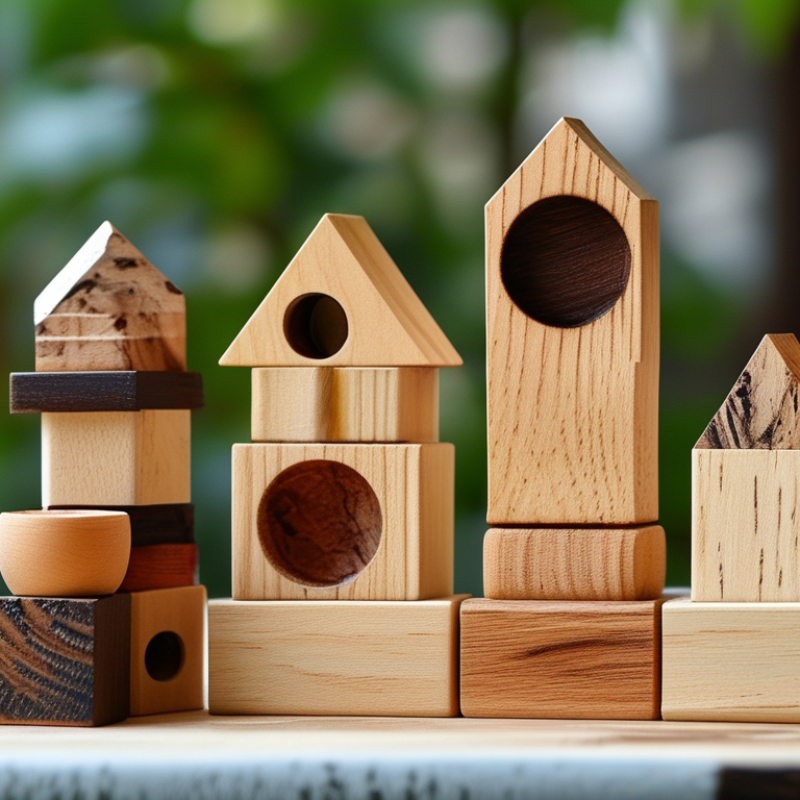
What Materials Are Used in Wooden Educational Toys?

Types of Wood Commonly Used in Wooden Educational Toys

When discussing wooden educational toys, the type of wood used plays a vital role. Commonly, hardwoods such as maple, beech, and birch are favored due to their durability and safety. A report by the American Society for Testing and Materials (ASTM) highlights that hardwoods withstand wear and tear better than softwoods, making them ideal for toys designed for active play. These woods also have low toxicity levels, ensuring safety for children.

Maple stands out for its fine grain and natural resistance to shock, providing longevity. Beech offers a smooth texture and is often used for intricate designs and details. Birch, known for its lightweight quality, is easy to handle, making it perfect for younger children. According to the Forest Stewardship Council (FSC), responsibly sourced woods are crucial. The environmental impact of deforestation and unsustainable practices poses serious concerns for toy manufacturers and consumers alike. There is an ongoing debate within the industry about balancing quality, sustainability, and cost-effectiveness.

Each wood type carries its pros and cons. While hardwoods provide durability, they may also increase the final product's cost. Manufacturers must carefully consider their choices. Further research is needed to understand the long-term implications of these material decisions on both children's play experiences and environmental sustainability.

Non-Toxic Finishes and Paints for Children's Safety

When considering wooden educational toys, the safety of materials is paramount. Non-toxic finishes and paints are vital in ensuring these toys are safe for children. According to the American Society for Testing and Materials (ASTM), toys must meet strict safety standards, including low levels of toxic substances.

Parents often choose wooden toys for durability and eco-friendliness. However, the finishes applied can pose risks. Studies show that certain paint types can contain heavy metals, which may be harmful. Water-based paints are often recommended for their lower toxicity levels. Politicians are also advocating for stricter regulations on toy safety to protect children from potential hazards.

While many manufacturers claim to use safe finishes, not all products are perfectly compliant. There have been recalls in the past due to harmful chemicals. These incidents highlight the importance of verifying certifications. Parents should look for toys labeled with certifications like EN71, indicating they meet safety and quality standards in Europe. Transparency in sourcing and production processes must be stressed for accountability.

Sustainable Sourcing of Materials in Toy Production

Sustainable sourcing is essential in the production of wooden educational toys. Many manufacturers are now prioritizing the use of renewable resources. Forest Stewardship Council (FSC) certification is a key standard in this arena. According to recent reports, around 17% of the world's forests are certified by FSC as sustainably managed.

Wood from these certified forests minimizes environmental impact. It ensures that trees are harvested thoughtfully, allowing ecosystems to thrive. The demand for sustainable materials is rising. A study indicated that 60% of consumers prioritize eco-friendly products. This trend pushes manufacturers to reconsider sourcing practices regularly.

However, sustainability in toy production is not without challenges. Not all suppliers adhere to sustainable practices. Some may misrepresent their materials as eco-friendly without proper certification. This calls for cautious vetting of suppliers. The toy industry must continue to enhance transparency and strive for higher standards in material sourcing.

Durability and Maintenance Considerations for Wooden Toys

When considering wooden educational toys, durability and maintenance are crucial factors. These toys are often made from hardwoods like maple or oak. Such materials provide strength and resilience. However, even the strongest wood can wear down over time. Scratches, dents, and fading are common issues. Parents should regularly inspect toys for signs of wear. A small crack can become larger if ignored.

Maintenance is simple yet vital. Regular cleaning with a damp cloth helps remove dirt. Harsh chemicals can damage the wood finish, so it's wise to avoid them. For deeper stains, a gentle soap solution works well. Applying natural oils can restore luster. However, too much oil can make the surface slippery, posing safety risks. It's essential to find a balance.

Natural variations in wood add charm but can lead to unpredictable wear patterns. Some toys may splinter, while others remain smooth. A close eye on your child's play can prevent accidents. Embracing the beauty of imperfection adds to the educational experience. Understanding the care required for wooden toys enhances their longevity and value.

Innovative Design Elements in Wooden Educational Toy Manufacturing

The world of wooden educational toys is evolving, showcasing innovative design elements that capture children's interest. Manufacturers are focusing on sustainability, using eco-friendly materials like responsibly sourced wood. According to a report by the Toy Association, 45% of parents prefer toys made from natural materials. This trend explains why wooden toys are gaining popularity among both consumers and educators.

Innovative features are key to enhancing the educational value of these toys. Many brands incorporate STEM principles by designing toys that promote problem-solving and critical thinking. For example, stacking toys not only aid in motor skills but also encourage creative play. Reports indicate that children engage longer with toys that offer interactive elements. Simple technologies like colors and sounds can create a stimulating environment, fostering cognitive development.

Despite these advancements, challenges remain. Many designers struggle with balancing aesthetics and functionality. Toys need to be visually appealing yet durable enough for regular use. Ensuring safety is paramount, but it often requires trade-offs in cost and design complexity. As the market shifts, manufacturers must continually reflect on their designs to enhance safety and educational impact.

What Materials Are Used in Wooden Educational Toys? - Innovative Design Elements in Wooden Educational Toy Manufacturing

Material Type Source Environmental Impact Suitability for Children
Pine Wood Sustainable forests Low impact, biodegradable Non-toxic, soft feel
Birch Plywood Sustainable forests Low impact, recyclable Strong and durable
Rubberwood Harvested from rubber trees Sustainable, eco-friendly Safe for children, sturdy
MDF (Medium Density Fiberboard) Recycled wood fibers Moderate impact, recyclable Smooth surface, easy to paint
Natural Finishes (e.g., Beeswax, Linseed Oil) Plant-based sources Biodegradable, safe Non-toxic, enhances natural wood

FAQS

: What types of wood are commonly used in wooden educational toys?

: Hardwoods like maple, beech, and birch are commonly used. They are durable and safe for children.

Why is hardwood preferred over softwood for toys?

Hardwoods withstand wear and tear better than softwoods. This makes them ideal for active play settings.

How does maple wood benefit wooden educational toys?

Maple has a fine grain and natural shock resistance, providing durability and longevity for toys.

What are the safety concerns regarding paint and finishes on toys?

Certain paints may contain heavy metals that are harmful. Non-toxic, water-based paints are typically safer options.

How important is sustainability in toy production?

Sustainable sourcing is essential. It minimizes environmental impact and ensures ecosystems remain healthy and thriving.

What challenges exist in ensuring sustainable material sourcing?

Not all suppliers adhere to sustainable practices, and some may misrepresent their materials as eco-friendly.

How can parents ensure toy safety for their children?

Parents should look for certifications like EN71, which indicate compliance with safety standards in Europe.

Are all manufacturers transparent about their sourcing practices?

No, many manufacturers may not fully disclose sourcing information, which raises concerns about accountability.

Why might the cost of hardwood toys be higher?

While hardwoods provide durability, they can also lead to increased production costs. Balancing cost with quality is crucial.

What should manufacturers focus on for future toy production?

Manufacturers need to regularly reassess sourcing practices and strive for better sustainability and safety standards.

Conclusion

When exploring "what materials are used in wooden educational toys," it's essential to consider the types of wood commonly utilized, such as maple, beech, and birch, which offer durability and beauty. Non-toxic finishes and paints are critical for ensuring children's safety, making it imperative for manufacturers to select options that are free from harmful chemicals. Sustainable sourcing of materials is increasingly important in toy production, as it promotes environmental responsibility and reduces the ecological footprint.

Additionally, the durability and maintenance of wooden toys are vital for ensuring longevity and continued enjoyment for children. Innovative design elements are also significant, as they contribute to the educational value of the toys while ensuring they capture children's interest. Overall, the thoughtful selection of materials and manufacturing processes highlights the commitment to quality and safety in the production of wooden educational toys.

Madeline

Madeline

Madeline is a dedicated marketing professional with a wealth of expertise in our company's core offerings. With a keen understanding of the industry, she brings a unique perspective to her role, consistently delivering high-quality content that highlights the superior aspects of our products. As......