When considering children's play, many parents ask, "what should parents look for in wooden educational toys?" This question is crucial as the choice of toys significantly impacts a child's development. Research by the American Academy of Pediatrics reveals that quality toys foster creativity, problem-solving, and social skills. With a vast market filled with options, it is essential to discern which toys are genuinely beneficial.
High-quality wooden toys are often designed with safety and craftsmanship in mind. Reports show that over 80% of parents prioritize non-toxic materials. These toys should promote imaginative play, allowing children to explore their creativity. Furthermore, educational toys should provide opportunities for hands-on learning and skill development.
However, not all wooden toys are created equal. Some may lack essential features, such as durability or fulfilling educational objectives. Parents must evaluate toys critically, considering factors like age appropriateness and complexity. Ultimately, thoughtful selection can enhance a child's play experience and support their growth journey.
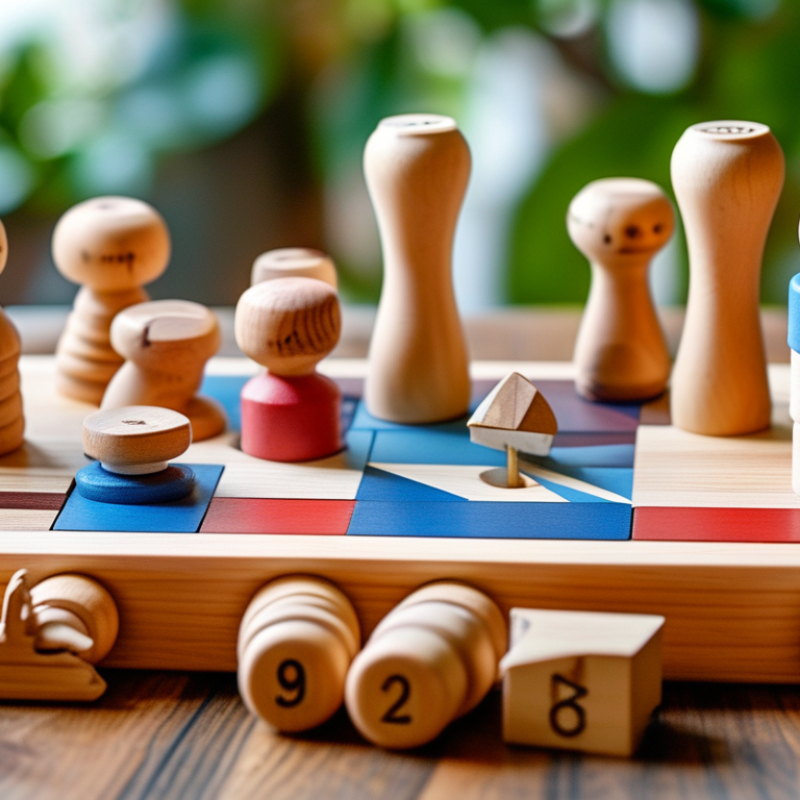
What Makes Wooden Toys Educational? Understanding Developmental Benefits
When considering wooden educational toys, it’s crucial to understand their developmental benefits. Research shows that these toys foster creativity and problem-solving skills in children. A study published in the Journal of Developmental Psychology indicated that children who engage with tactile toys exhibit improved cognitive abilities.
Wooden puzzles, for example, encourage hand-eye coordination while providing visual stimulation.
In addition, wooden educational toys often promote cooperative play. According to a survey by the American Academy of Pediatrics, children who play together develop social skills faster than those who play solo. Stackable blocks or role-play sets facilitate communication and teamwork among peers. However, some parents may overlook the importance of age-appropriate toys, which can hinder a child’s growth. Finding the right balance between challenge and play is essential for maximizing learning.
Moreover, not all wooden toys are created equal. It’s vital to look for non-toxic finishes and sturdy construction. Some toys may splinter or contain harmful chemicals. Verifying safety certifications ensures a secure play environment. The tactile nature of wood can also have calming effects compared to plastic. However, it’s important to remain aware that not every child will respond positively to wooden toys. Each child is unique, and preferences vary.
Safety Standards for Quality Wooden Toys: What Parents Need to Know
When selecting quality wooden educational toys, parents must prioritize safety standards. Understanding these standards can significantly reduce potential risks. Look for toys that have been tested for toxins like lead and phthalates. Reputable manufacturers should provide certification verifying their products meet safety requirements. Always check for non-toxic finishes as well.
Tips: Examine the toy's design. Sharp edges or small parts can pose a choking hazard. A smooth surface ensures safety during play.
Pay attention to age recommendations. Toys suitable for older children may not be safe for toddlers. Always consider your child's development stage. Choose toys that encourage creativity and problem-solving while ensuring they align with safety standards.
Tips: Read reviews from other parents. This can offer insights into the quality and durability of the toys. Look for feedback on safety experiences shared by others.
Materials Matter: The Importance of Non-Toxic Finishes in Wooden Toys
When selecting wooden educational toys, parents should pay close attention to the materials used. Non-toxic finishes are crucial for ensuring safety. Children explore the world by touching and tasting. Any harmful chemicals can pose serious health risks. It's essential to choose toys with natural, child-friendly finishes to promote safe play.
Natural oils and plant-based paints are often preferred. These materials provide a beautiful, safe surface for playtime. However, not all products labeled "non-toxic" are created equal. Always check for certifications. Research the brand's commitment to using safe, eco-friendly materials. Parents should not hesitate to ask questions.
Despite efforts to find safe toys, some products may still contain harmful substances. It’s important to remain vigilant and informed. Regularly reassess the toys in your home. Look for signs of wear and tear that could expose underlying materials. A proactive approach helps keep playtime both fun and safe.
Durability and Longevity: Evaluating the Lifespan of Wooden Educational Toys
When selecting wooden educational toys, their durability and longevity are crucial. Parents should look for toys crafted from solid wood, as they tend to withstand rough play. Softwood toys may dent and scratch easily, affecting their lifespan. Inspect joints and finish; they should feel sturdy and smooth. A well-constructed toy promises more extended use.
Tips for evaluating durability:
- Check for splinters. Smooth edges indicate quality.
- Test the weight. Heavier toys often signal solid construction.
- Look for non-toxic finishes to ensure safety over time.
Many toys promise longevity, but not all live up to their claims. Some might chip or splinter after a short time. It is essential to consider how your child will interact with the toy. Constant use could lead to wear and tear. Think about storage, too. Exposure to humidity can damage wooden items.
Investing in high-quality wooden toys is beneficial. They can be passed down or used in various ways. Still, remember, even the best toys require care. Regular cleaning and proper storage enhance their lifespan.
What Should Parents Look for in Quality Wooden Educational Toys?
| Criteria |
Description |
Lifespan |
Maintenance Tips |
| Material Quality |
High-quality hardwoods are less prone to splintering and damage. |
10+ years with proper care |
Regularly check for damage and avoid exposure to excessive moisture. |
| Safety Standards |
Free from toxic paints and finishes; meets child safety regulations. |
Lifetime, provided it complies with safety standards |
Ensure toys are certified by recognized safety organizations. |
| Design |
Ergonomic design that promotes child development and learning. |
5-10 years depending on usage |
Store properly when not in use to prevent wear and tear. |
| Versatility |
Can be used in multiple types of play scenarios. |
Long-lasting, often more than 8 years |
Rotate toys to keep interest high and prevent damage. |
Age Appropriateness: Matching Toys to Developmental Stages and Skills
When selecting wooden educational toys, age appropriateness is crucial. Each stage of a child's development comes with specific skills they are mastering. For instance, infants benefit from toys that stimulate their senses, like colorful shapes and smooth textures. These toys help them explore through touch, sight, and sound.
As children grow, their play needs to evolve. Toddlers often enjoy toys that encourage problem-solving and creativity, such as stacking blocks or puzzles. These toys can enhance fine motor skills and cognitive development. It’s essential to assess whether a toy suits a child's current abilities and interests. Be wary of toys that are too complex or simple, as they can lead to frustration or boredom.
Preschoolers thrive on more challenging toys, such as interactive games that require collaboration. Here, social skills and emotional intelligence start to blossom. However, parents should also consider the durability and safety of the toys. Wooden toys are a popular choice, yet not all are created equal. Some may have rough edges or toxic paints, which can be a concern. It’s vital to research and ensure that the toys you choose are safe for your child.
FAQS
: Non-toxic finishes ensure children's safety. Harmful chemicals can pose health risks.
Natural oils and plant-based paints are preferred for child-friendly surfaces.
No, not all non-toxic products are equal. Always check for certifications.
Inspect joints, check for splinters, and test the toy's weight for quality.
Material quality, usage frequency, and proper storage play crucial roles.
Yes, regular inspection helps identify risks from damaged toys.
Regular cleaning and proper storage in a dry place are essential.
Softwood toys may dent and scratch easily, affecting their longevity.
Replace or repair it to ensure your child's safety during play.
Research their materials and ask questions about their safety practices.
Conclusion
When considering what should parents look for in wooden educational toys, it's important to understand the developmental benefits these toys can offer. Quality wooden toys are designed to enhance cognitive, motor, and social skills while providing a safe and engaging play experience. Parents should ensure that these toys meet safety standards and are made from non-toxic materials, which are critical for children's health.
Moreover, durability and longevity are key factors in evaluating wooden educational toys, as they can withstand years of use and be passed down through siblings. Additionally, parents should consider age appropriateness, ensuring that the toys align with their child’s developmental stages and skills to maximize play benefits. By focusing on these essential aspects, parents can make informed decisions that contribute to their child's growth and learning through play.

 Chicharo Toys
