How Do Wooden Educational Toys Enhance Child Development?

Time:2026-06-18 Author:Henry
0%

Wooden educational toys have gained popularity in recent years. Parents are keen to understand how do wooden educational toys support child development. These toys offer more than just entertainment; they serve as valuable tools for early learning.

Research shows that wooden toys engage children in hands-on play. This type of play enhances cognitive skills, such as problem-solving and critical thinking. Children learn through exploration and trial-and-error, which encourages independence. Moreover, wooden toys promote fine motor skill development. The tactile experience of manipulating these toys can improve hand-eye coordination.

However, it's essential to consider the drawbacks. While many wooden toys are durable, some may lack safety certifications. Not all toys will stimulate every child equally. Reflection on individual learning styles is crucial. Each child is unique, and their preferences play a significant role in their development. By thoughtfully selecting wooden educational toys, parents can create a nurturing environment that fosters growth.
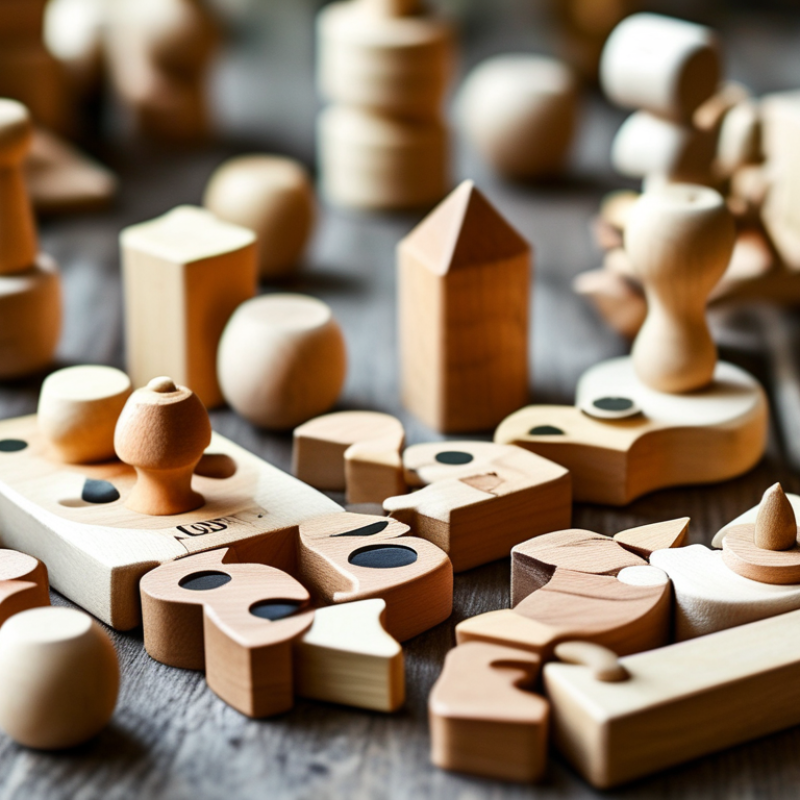
How Do Wooden Educational Toys Enhance Child Development?

Benefits of Wooden Educational Toys for Cognitive Development

Wooden educational toys play a crucial role in cognitive development. According to a report by the American Academy of Pediatrics, hands-on play enhances brain development. Engaging with tactile materials like wood stimulates a child's senses. This can lead to improved reasoning and problem-solving skills. Children become more adept at understanding their environment through tactile exploration.

One study found that children who played with wooden toys showed 30% higher scores in spatial reasoning tests. These toys encourage imaginative play, which is vital for cognitive growth. When children create scenarios, they practice language and social skills. The lack of batteries in wooden toys reduces distractions, allowing for deeper focus and creative thinking.

However, not all children react the same way to these toys. Individual preferences may vary. A child may find more joy in digital toys. This doesn't undermine the benefits of wooden toys but highlights the importance of diverse play experiences. Each child needs to explore what works best for them. Therefore, a balance of different types of play is essential for overall development.

The Role of Sensory Play in Child Learning Through Wooden Toys

Sensory play is crucial for a child’s development. Wooden educational toys excel in providing this experience. These toys engage multiple senses, promoting exploration and creativity. Research shows that sensory play enhances cognitive development by 30%. Children learn best when they can touch, feel, and manipulate objects. Wooden toys offer a natural tactile experience. The warmth and texture of wood stimulate sensory receptors, encouraging curiosity.

Parents can encourage sensory play with simple tips. Create a space where children can freely explore different textures. Offer a variety of wooden toys, like blocks or puzzles. Let children experiment with stacking or sorting. This hands-on interaction fosters problem-solving skills and enhances fine motor development.

Not every child responds the same way. Some may require extra encouragement to engage with sensory activities. Observe your child’s preferences and adapt accordingly. If they seem overwhelmed, simplify the activity. Sensory play should be fun, not stressful. By understanding their needs, you can support their emotional and developmental growth effectively.

How Wooden Toys Foster Social Skills and Emotional Intelligence

Wooden toys are more than just playthings; they are tools that foster social skills and emotional intelligence in children. Research shows that children who engage with tactile toys, such as wooden blocks or figurines, develop better problem-solving skills. According to a study by the American Academy of Pediatrics, children who play with open-ended toys demonstrate improved creativity and collaboration during group play.

Playing with wooden toys encourages interaction among peers. When children build together, they learn to share ideas and negotiate solutions. This type of cooperative play enhances their ability to empathize with others. A report from the National Association for the Education of Young Children emphasizes the importance of this interaction, noting significant improvements in communication skills among preschoolers who engage in collective play.

**Tips:** Choose toys that require teamwork. Look for sets that can be combined in various ways. Encourage your child to explain their building process to friends. Allow for mistakes; they lead to learning. Understanding emotions during playtime can help your child become more resilient and socially adept.

Impact of Wooden Educational Toys on Social Skills and Emotional Intelligence

Wooden educational toys play a vital role in enhancing social skills and emotional intelligence among children. The chart above illustrates the impact of these toys on various skills such as cooperation, empathy, communication, conflict resolution, and self-regulation, showcasing the effectiveness of using simple yet enriching play materials in child development.

Exploring Creativity and Imagination with Wooden Educational Toys

Wooden educational toys offer a unique pathway for creativity and imagination in children. These toys engage the senses and encourage hands-on exploration. For instance, a simple wooden block can transform into a castle, a car, or even an animal. This versatility ignites a child’s imagination, allowing them to create stories and scenarios as they play.

When children engage with wooden toys, they develop cognitive skills alongside creativity. These toys often lack predefined ways to be used. This open-ended nature prompts children to think critically and problem-solve. They experiment with colors, shapes, and structures, which fuels their inventive thinking. Tips for maximizing this experience include providing a variety of toys and letting children lead their play. Encourage them to voice their ideas and explore their concepts freely.

Never underestimate the value of reflection during playtime. Ask your child open-ended questions about their creations. "What are you building?" or "How does this work?" can deepen their understanding and enhance learning. This dialogue nurtures both language development and creative thinking, making playtime an enriching experience.

Durability and Safety: Advantages of Wooden Toys for Young Children

Wooden educational toys are treasured for their durability and safety. Unlike plastic, wood is a natural material that withstands rough play. These toys can survive years of use without losing their charm. They do not easily break or chip, which reduces the risk of small parts becoming hazardous. Parents find reassurance knowing their children can explore without fear of injury.

Safety is paramount in child development. Wooden toys often have smooth edges and non-toxic finishes. This ensures that when kids explore with their mouths, they are not exposed to harmful chemicals. Many wooden toys encourage imaginative play, which is vital for cognitive growth. However, not all wooden toys are created equal. Some may splinter or be poorly constructed. Parents should always check for safety certifications before making a purchase.

While wooden toys offer numerous advantages, they also necessitate careful selection and guidance. Children need to learn how to play with them properly. Supervision can help prevent misuse, ensuring a safe learning environment. Engaging with wooden toys can lead to creativity, yet it's essential to balance screen time with traditional play. This approach cultivates a well-rounded developmental experience.

FAQS

: What are the cognitive benefits of wooden educational toys?

: Wooden toys enhance cognitive development by promoting hands-on play and sensory engagement. This can improve reasoning and problem-solving skills.

How do wooden toys affect spatial reasoning?

Studies show children who play with wooden toys score 30% higher in spatial reasoning tests. They develop better spatial awareness through play.

Why is sensory play important in child development?

Sensory play engages multiple senses and fosters exploration. It enhances cognitive development by allowing children to touch and manipulate objects.

How can parents encourage sensory play at home?

Create a designated space for exploration. Provide various wooden toys like blocks and puzzles. Let children freely experiment with the toys.

What should I do if my child is overwhelmed by sensory activities?

Simplify the activity if your child seems stressed. Sensory play should be enjoyable, focusing on exploration and curiosity without pressure.

How do wooden toys help in developing social skills?

Playing with wooden toys encourages interaction and cooperation. Children learn to share ideas and negotiate solutions during group play.

What types of toys should I choose to promote teamwork?

Select toys that require collaboration and can be combined in different ways. This encourages children to communicate and work together.

Can mistakes during play be beneficial for children?

Yes, mistakes lead to learning opportunities. They help children become more resilient and understand emotions, enhancing their social development.

Do all children respond similarly to wooden toys?

No, individual preferences vary. Some children may prefer digital toys. It’s important to offer a balanced range of play experiences.

How can I support my child's emotional growth through play?

Observe your child's preferences and adapt activities to their needs. Encourage emotional understanding during play to enhance resilience and empathy.

Conclusion

Wooden educational toys play a significant role in child development by fostering various essential skills. These toys enhance cognitive development by stimulating problem-solving and critical thinking abilities through interactive play. The tactile nature of wooden toys encourages sensory exploration, which is crucial for young learners as they engage through touch, sight, and sound. Moreover, wooden toys promote social skills and emotional intelligence by facilitating cooperative play and communication among peers.

In addition to cognitive and social benefits, wooden educational toys inspire creativity and imagination, allowing children to express themselves freely while devising their own games and narratives. Their durability and safety make them suitable for young children, ensuring that children can explore and learn without the worry of harmful materials. Overall, understanding how do wooden educational toys support child development reveals their multifaceted benefits and underscores their value in early childhood education.

Henry

Henry

Henry is a dedicated marketing professional with a profound expertise in the company's offerings. With years of experience in the industry, he possesses an impressive understanding of the market dynamics and consumer behaviors that drive success. Henry is committed to sharing his insights through......