In recent years, the early childhood education sector has witnessed a significant shift toward hands-on learning tools. Studies indicate that approximately 70% of educators believe that play-based learning enhances children’s cognitive development. Within this context, wooden educational toys have gained prominence. These toys are not only durable but also promote sensory exploration, which is vital in the early stages of development.
How do wooden educational toys encourage independent learning? Research highlights that children learn best through tactile experiences. Wooden toys often engage multiple senses, allowing children to explore at their own pace. Data from the American Academy of Pediatrics suggests that play fosters essential skills such as problem-solving and self-regulation. When children interact with wooden toys, they navigate challenges independently, enhancing their ability to learn from both successes and failures.
The appeal of wooden educational toys lies in their ability to inspire creativity and imagination. A report from the National Association for the Education of Young Children states that imaginative play is crucial for developing critical thinking skills. However, the reliance on such toys can sometimes overshadow the need for diverse educational resources. While wooden toys are effective, a balanced approach incorporating various learning methods may be necessary for optimal growth.
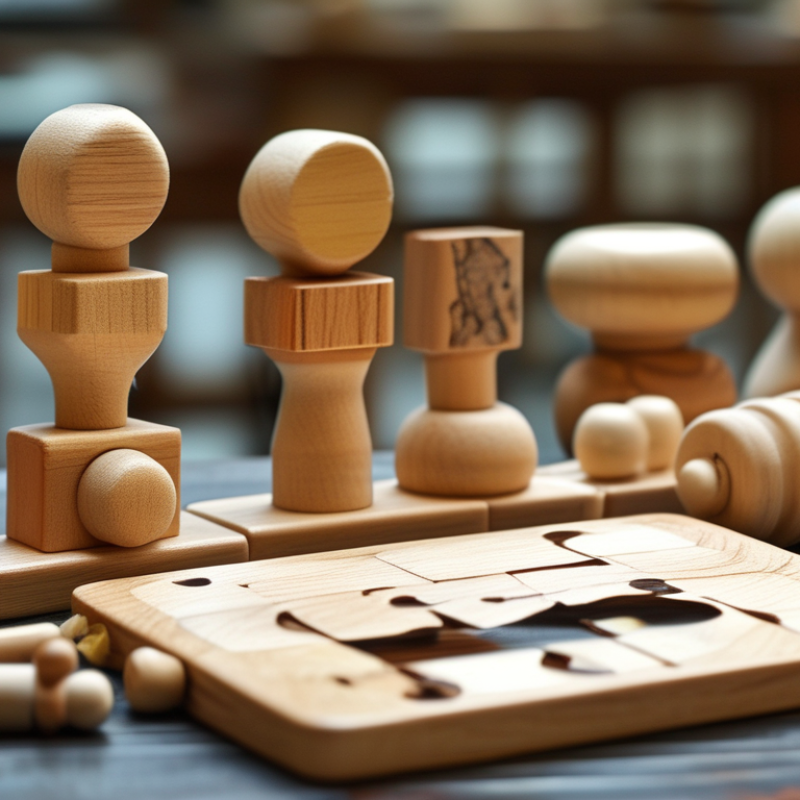
The Importance of Independent Learning in Early Childhood Development
Independent learning is a crucial aspect of early childhood development. It helps children develop problem-solving skills. When children engage with wooden educational toys, they can explore at their own pace. This autonomy fosters a sense of ownership over their learning. Children can choose how to play, which enhances their confidence. They learn that it’s okay to make mistakes; errors lead to new discoveries.
Wooden toys are tactile and visually appealing. They promote creativity and imagination. For example, a simple block can become a tower, a house, or a car. This open-ended play encourages children to think critically and make decisions. It’s important for parents to understand that structured activities have their place. However, unstructured play is invaluable for developing independence.
Reflection is key in this process. Children sometimes struggle with frustration. A toy may not fit together as planned. This provides an opportunity to learn resilience. Adults can support this by offering guidance without interference. Allowing children to navigate challenges builds their self-efficacy. They learn to trust in their abilities, which is fundamental as they grow.
How Do Wooden Educational Toys Foster Independent Learning?
| Dimension |
Description |
Impact on Learning |
| Creativity |
Encourages children to think outside the box and express their ideas. |
Fosters problem-solving skills and innovation. |
| Motor Skills |
Enhances hand-eye coordination through manipulation of toys. |
Improves dexterity and control in physical tasks. |
| Social Interaction |
Encourages group play and sharing among peers. |
Develops teamwork skills and builds relationships. |
| Cognitive Development |
Promotes critical thinking through challenges and puzzles. |
Enhances learning through exploration and discovery. |
| Emotional Growth |
Allows children to express their feelings through play. |
Promotes self-awareness and emotional regulation. |
How Wooden Educational Toys Encourage Autonomy and Decision-Making
Wooden educational toys are more than just playthings. They serve as tools that encourage autonomy and decision-making in children. When presented with these toys, children have the freedom to explore their creativity. Each toy offers endless possibilities. The tactile nature of wood provides a sensory experience that enhances engagement. As kids manipulate pieces, they learn to make choices and face the consequences of their decisions.
Children often decide how to use each toy. This process promotes critical thinking skills. Instead of following strict instructions, they can experiment and find unique ways to build or create. These moments of exploration can lead to frustration or success. Such experiences teach resilience, helping children learn that failure is part of the learning process.
To maximize the benefits of wooden toys, parents can encourage free, unstructured play. Allow children to set their own challenges with the toys. Invite them to explain their thought process behind the choices they make. Engaging in discussions about their decisions fosters a deeper understanding of their actions. Modeling curiosity and patience can also inspire them to think independently. This nurturing environment can make a significant difference in their learning journey.
Benefits of Hands-On Play: Exploring Concepts Through Wooden Toys
Wooden educational toys offer a unique way for children to engage in hands-on play. They are appealing due to their tangible nature and durability. Children can manipulate these toys, which fosters exploration and curiosity. For example, a simple wooden block can represent various structures or concepts. As kids build with blocks, they learn about balance and gravity. This intuitive play encourages independent learning as children explore concepts in a vivid manner.
One significant benefit of using wooden toys is the sensory experience they provide. The texture of the wood, the sound when pieces connect, and the weight of each item can captivate children's senses. Such interactions are crucial for cognitive development. However, some children might initially struggle to understand how to connect pieces. This challenge can lead to frustration, pushing them to think critically and problem-solve. In this way, wooden toys not only teach concepts but also promote resilience and perseverance in learning.
Importantly, these toys can spark creativity. A child might see a toy as a car while another sees a house. This subjective interpretation allows for a rich play experience. They learn to express their ideas and negotiate play with peers. Yet, children may need guidance to articulate their thoughts effectively. Reflecting on their play experience encourages growth in communication skills. Overall, wooden toys provide a multifaceted platform for hands-on learning, enabling children to explore concepts in diverse ways.
Creativity and Imagination: The Role of Wooden Toys in Learning
Wooden educational toys play a significant role in fostering creativity and imagination in young learners. Made from natural materials, they captivate children with their unique textures and pleasing aesthetics. When kids interact with these toys, they enter a world of possibilities. Each wooden block or figure encourages imaginative play, allowing children to create their own stories and scenarios. This open-ended play helps them think outside the box, developing problem-solving skills in a fun and engaging way.
Unlike plastic toys, wooden toys often lack predefined functions. A simple wooden block can become a castle one moment and a spaceship the next. This ambiguity encourages children to explore various uses for a single toy. Such exploration not only sparks creativity but also fosters independence as children make their own decisions in play. However, some children may initially struggle with this freedom. They might want explicit instructions to follow. This is an opportunity for positive growth, pushing them to experiment with their imagination.
Moreover, sharing these toys in group settings promotes collaborative creativity. As children play together, they learn the value of teamwork and communication. Yet, conflicts may arise as ideas clash. These moments require reflection and compromise, essential life skills. Through the playful challenges and discoveries, children cultivate not only creativity but also resilience, forming a solid foundation for lifelong learning.
Case Studies: Successful Independent Learning Through Wooden Toy Use
Wooden educational toys have gained popularity for their role in fostering independent learning. Numerous studies illustrate how these toys can encourage critical thinking and problem-solving skills in children. A report from the American Academy of Pediatrics indicates that children learn best when they can explore and manipulate their environment. Wooden toys offer a tactile experience that enhances this exploration.
A case study conducted in a preschool setting revealed that children using wooden building blocks demonstrated significant improvements in spatial awareness. The children engaged in open-ended play, allowing them to construct various structures freely. Researchers noted that this freedom sparked discussions among peers, enhancing communication skills. In contrast, children with limited interactive play opportunities struggled to express their ideas and often displayed frustration.
Another study highlighted the impact of a wooden puzzle program introduced in early childhood settings. Children showed an increased ability to work independently, solving problems without constant adult intervention. However, some educators remarked that reliance on guided play still exists, pointing to a need for balance. Furthermore, not every child responds to these toys in the same way, indicating that while some flourish, others may need additional support to thrive.
FAQS
: It helps develop problem-solving skills and fosters autonomy. Children learn at their own pace with more ownership.
They are tactile and visually appealing. Children can explore freely, promoting creativity and critical thinking.
It's play without strict guidelines. For example, a block can be transformed into many different creations.
Yes, they may struggle when pieces don’t fit. This can teach resilience and problem-solving skills.
Offer guidance when needed, but avoid full interference. Allow children to navigate their own challenges.
No, some thrive while others may need more support. It's crucial to recognize individual differences in learning.
It helps children understand their experiences. They learn to cope with frustration and celebrate successes.
Yes, but unstructured play is vital. It allows children to explore freely and discover their interests and abilities.
Open-ended play encourages discussions among peers. Children express their ideas and learn from each other during play.
Studies show improvements in skills like spatial awareness and independence. However, balance between guided and independent play is needed.
Conclusion
Wooden educational toys play a significant role in fostering independent learning during early childhood development. The importance of independent learning lies in its ability to nurture autonomy and decision-making skills in young children. How do wooden educational toys encourage independent learning? These toys invite children to explore and experiment, providing a hands-on play experience that enhances their understanding of various concepts. The tactile nature of wooden toys allows for interactive engagement, which is crucial for cognitive development.
Furthermore, wooden toys stimulate creativity and imagination, enabling children to construct their narratives and solutions during play. This freedom of exploration and expression contributes to a child's confidence and self-reliance. Case studies have shown that integrating wooden toys in learning environments leads to successful independent learning outcomes, as children learn to navigate challenges and develop critical thinking skills. Overall, wooden educational toys serve as an important tool in nurturing independent learners.

 Chicharo Toys
