In today's digital age, children increasingly depend on screens for entertainment and education. Studies show that screen time among children has risen sharply. The American Academy of Pediatrics reports that children aged 2 to 5 spend an average of 3 hours a day on screens. This shift raises concerns about developmental delays and diminished social skills. As parents search for alternatives, wooden educational toys emerge as a promising solution.
How can wooden educational toys reduce screen time? These toys engage children’s minds and encourage creative play. They promote problem-solving skills and foster imagination. Unlike screens, wooden toys require hands-on interaction. This tactile experience aids cognitive development and improves fine motor skills. Moreover, the positive, screen-free interaction nurtures strong parent-child relationships.
Choosing wooden educational toys can be a pivotal step towards healthier habits. They help children learn while having fun away from screens. Parents should consider the long-term benefits of such toys. Reflecting on current trends, it becomes apparent that integrating wooden toys into playtime can effectively counterbalance excessive screen exposure.
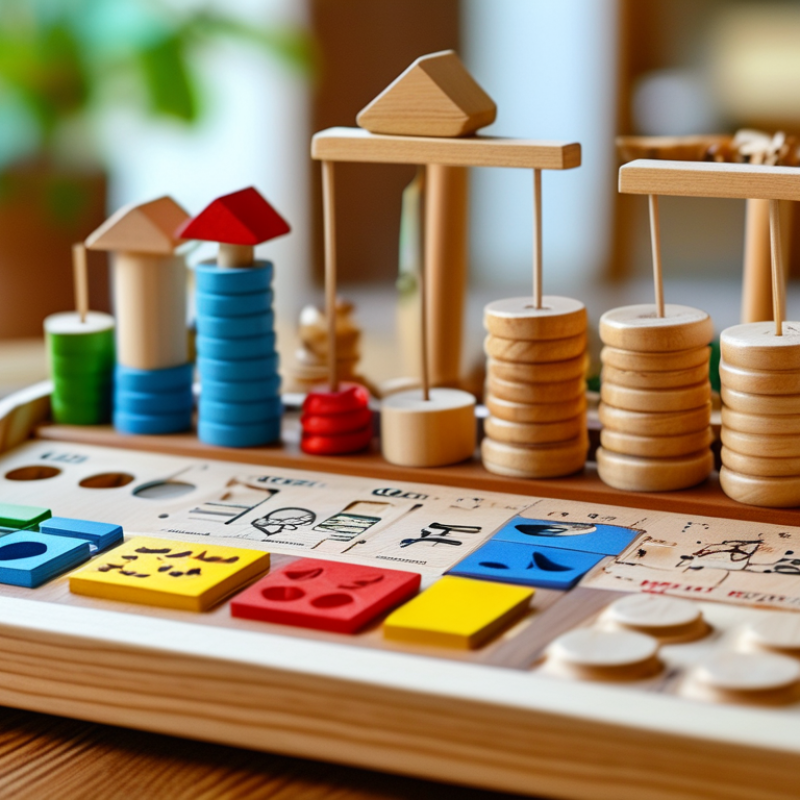
Benefits of Wooden Educational Toys in Early Childhood Development
Wooden educational toys play a significant role in early childhood development. They offer tangible learning experiences, promoting creativity and critical thinking. Unlike screens, these toys require active engagement. Children explore textures, shapes, and colors, enhancing their sensory skills. This hands-on approach fosters curiosity, a vital aspect of learning.
Tips: Choose toys that encourage problem-solving. Puzzles and building blocks can stimulate spatial awareness. Look for items that promote imaginative play, like wooden figures or kitchen sets.
Reducing screen time is crucial. Excessive use of screens can hinder social interaction and development. Wooden toys naturally encourage cooperation. Children often play together, fostering communication skills. They learn to share, take turns, and express emotions. Engaging with peers leads to improved social skills and emotional intelligence.
Tips: Create a dedicated play area with wooden toys. Limit screen access to specific times, ensuring children prioritize imaginative play. Celebrate their creativity, no matter how imperfect the outcome. This reinforces a sense of achievement and boosts their confidence.
The Impact of Screen Time on Children's Health and Learning
Screen time has become a significant concern for parents and educators. Studies show excessive screen use can harm children's health. Issues like obesity, sleep disturbances, and decreased attention span arise from too much screen time. Additionally, digital distractions can impair learning and creativity. It’s crucial to find alternatives that engage children meaningfully.
Wooden educational toys present an excellent solution. They encourage hands-on play that enhances fine motor skills and cognitive development. Unlike screens, these toys stimulate imagination and social interaction. A simple wooden puzzle can captivate a child's attention much longer than a fleeting video.
Tips for reducing screen time include setting clear limits on device use. Create a daily schedule that balances screen time with outdoor play or creative activities. Encourage cooperative games with family or friends to build social skills. Having a designated screen-free zone, like the dining room, promotes healthier habits. Consider engaging children in arts and crafts, fostering creativity without screens. These small changes can significantly impact children's well-being and learning outcomes.
How Can Wooden Educational Toys Help Reduce Screen Time?
Research indicates a significant reduction in screen time for children after incorporating wooden educational toys into their daily activities. This chart illustrates the average screen time per day before and after using these toys, highlighting their potential benefit in promoting healthier play habits.
How Wooden Toys Encourage Creative and Imaginative Play
Wooden educational toys provide a unique avenue for creative and imaginative play. Studies indicate that unstructured playtime significantly enhances children's cognitive development. According to the American Academy of Pediatrics, kids who engage in hands-on play often develop problem-solving skills better than those who rely on screens.
These toys encourage interaction with the physical environment. Children can build, stack, or create stories using simple wooden blocks. This tactile experience stimulates their senses and fosters creativity. It’s crucial to consider that while imaginative play is beneficial, too few options can lead to frustration. Diversifying playtime materials can help maintain engagement.
Furthermore, the World Health Organization reports that excessive screen time can lead to developmental delays. Engaging with wooden toys allows for more active participation. Parents often notice that their children display increased focus and longevity in their play, translating to longer periods away from screens. In this context, the role of wooden educational toys becomes even more vital for holistic growth.
Practical Strategies for Integrating Wooden Toys into Daily Routines
Integrating wooden educational toys into daily routines can effectively reduce screen time for children. These toys stimulate creativity and enhance problem-solving skills. When children engage with wooden blocks or puzzles, they focus more on tactile experiences rather than screens. This transition fosters deeper thinking and encourages exploration. For example, simple block-building sessions can lead to stories and imaginative play, steering kids away from digital distractions.
Parents can create a designated play area filled with wooden toys. Make this space cozy and inviting. Limit electronic devices in this area to draw more attention to physical play. Encourage children to choose their toys for playtime. This choice grants a sense of ownership and promotes interest. Family members can also join in. Gathering around to play fosters bonding and can create lasting memories.
It is not always perfect. Some children may initially resist leaving their screens. This challenge needs patience and regular reminders about the benefits of play. Incorporating wooden toys should not feel like a chore. Instead, make it an enjoyable routine. Allow for trial and error. Gradually, children might find joy in unplugging and learning through hands-on activities.
How Can Wooden Educational Toys Help Reduce Screen Time? - Practical Strategies for Integrating Wooden Toys into Daily Routines
| Strategy |
Description |
Benefits |
Implementation Tips |
| Scheduled Playtime |
Designate specific times for play with wooden toys. |
Encourages routine and limits screen time naturally. |
Use a timer to signal play and screen time boundaries. |
| Cooperative Play |
Playing together with family or friends using wooden toys. |
Fosters social skills and teamwork. |
Organize group activities or playdate sessions. |
| Creative Projects |
Incorporate wooden toys into arts and crafts projects. |
Enhances creativity and fine motor skills. |
Encourage children to design their own games. |
| Limited Access to Screens |
Establish rules regarding screen usage in the home. |
Reduces reliance on digital devices. |
Clearly communicate the limits and reasons to children. |
| Storytelling & Imaginative Play |
Use wooden toys to create stories and role-playing scenarios. |
Enhances language and cognitive development. |
Involve children in developing narratives around the toys. |
Comparative Analysis: Wooden Toys vs. Digital Toys in Reducing Screen Time
Wooden educational toys offer a tangible alternative to digital options, promoting hands-on learning. These toys encourage creativity and problem-solving skills. Unlike screens, wooden toys require children to engage physically. This engagement can significantly reduce the hours spent on devices.
Digital toys often captivate young minds with bright screens and instant gratification. However, they may lead to overstimulation. Children may find it hard to focus on less stimulating tasks. In contrast, wooden toys invite imagination. A simple block can become a castle, a car, or a whole world. This flexibility fosters longer attention spans.
As parents, the challenge is finding a balance. Some may worry that eliminating screens entirely is impractical. It's essential to recognize the value of moderation. Integrating more wooden toys into playtime can strike a balance, allowing children to enjoy the benefits of both. Education and creativity don’t have to compete with screens. They can coexist, enriching a child's developmental journey.
Conclusion
Wooden educational toys play a crucial role in early childhood development by fostering creativity and imaginative play. By providing children with hands-on experiences, these toys can significantly reduce screen time. The impact of excessive screen time on children's health and learning is well-documented, leading to issues such as diminished attention spans and reduced physical activity. In contrast, wooden toys encourage active engagement and social interactions, promoting cognitive and emotional growth.
To effectively integrate wooden toys into daily routines, parents can adopt practical strategies such as designating specific playtimes and creating a toy-rich environment that limits screen exposure. A comparative analysis shows that wooden toys not only reduce screen time but also enhance developmental benefits compared to digital toys. Ultimately, understanding how wooden educational toys can reduce screen time is essential for fostering healthier and more balanced play experiences for children.

 Chicharo Toys
