In recent years, the importance of play in child development has gained significant attention. One particular focus has been on how do wooden toys encourage creativity. Dr. Emily Henderson, a child development expert, states, "Wooden toys offer open-ended possibilities that stimulate a child's imagination." This highlights the unique benefits of using natural materials in play.
Wooden toys stand out because they are versatile and durable. Their simple designs invite children to explore, invent, and build. Unlike plastic counterparts, wooden toys don't dictate how to play. Instead, they allow children to create their own rules. This freedom is key to fostering imagination and creative thinking.
Moreover, the tactile experience of wooden toys enhances sensory development. Children can feel the texture and weigh of each piece, enriching their play experience. However, some may argue that traditional toys can limit modern interactive play methods. This brings us to reflect on finding a balance. Embracing wooden toys does not mean abandoning digital play. Instead, it encourages a holistic approach to creativity in childhood.
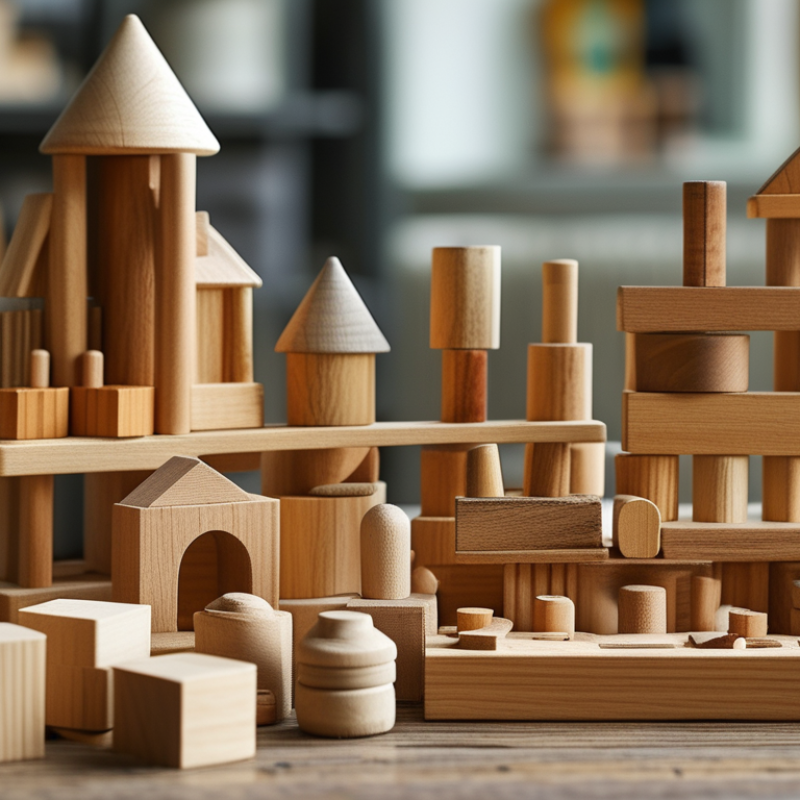
Wooden toys play a significant role in fostering imagination in children. Unlike plastic toys with fixed functionalities, wooden toys encourage open-ended play. They allow children to explore various scenarios and narratives. A simple wooden block can become a castle, a car, or even a character in a story. This versatility inspires creativity.
Playing with wooden toys helps develop problem-solving skills. Children face challenges while building and imagining. They learn to persevere, even when a structure collapses. Each failure teaches valuable lessons about balance and design. This process is sometimes frustrating, yet it is essential for growth. It cultivates resilience through imaginative play.
Additionally, wooden toys are often tactile and visually appealing. Their natural textures and colors attract children. This engagement heightens sensory experiences, sparking creativity. However, not all children are drawn to wooden toys. Some may prefer flashy gadgets. Understanding each child's unique preferences is crucial. This awareness ensures that every child receives the stimulation they need for imaginative development.
Wooden toys have been cherished across generations for their developmental benefits. Research shows that open-ended play with these toys significantly nurtures creativity in children. A study from the American Academy of Pediatrics indicates that children who engage in imaginative play demonstrate enhanced problem-solving skills. Wooden toys, with their simple forms and natural materials, provide endless opportunities for creativity.
Playing with wooden blocks or figures allows children to manipulate their environment. This interaction encourages cognitive development and fine motor skills. According to the National Association for the Education of Young Children, children using wooden toys often exhibit improved concentration levels. In their play, they construct narratives, explore relationships, and express emotions. These experiences foster resilience and adaptability.
**Tips:** Encourage your child to create scenarios using wooden toys. Let them tell stories with their creations. Simple prompts can ignite their imagination. Provide a variety of shapes and sizes. Watch as they experiment, stumble, and learn. Mistakes lead to valuable lessons in creativity. Remember, the journey of play is as important as the outcome.
Hands-on learning with wooden toys offers a rich avenue for enhancing problem-solving skills in children. Unlike digital gadgets, wooden toys require active participation. Children must figure out how pieces fit together or how to balance a structure. This process captures their attention and stimulates their creativity in unique ways.
Playing with wooden puzzles or building blocks requires critical thinking. Children must assess which shapes or sizes will create stable structures. They learn through trial and error, discovering that not every attempt is successful. This trial-based learning is essential; it encourages resilience and the ability to rethink strategies when faced with challenges.
Moreover, the tactile nature of wooden toys engages the senses and makes learning memorable. The weight of the pieces and their textures add to the experience. In this setting, children are not just passive learners. They actively explore and engage with their environment. Ultimately, these hands-on experiences shape their cognitive skills, making them more adept problem solvers in the future.
| Aspect | Impact | Examples |
|---|---|---|
| Creativity | Encourages imaginative play and creative expression. | Building and designing their own structures. |
| Problem-Solving | Teaches children to think critically and devise solutions. | Overcoming obstacles while constructing with blocks. |
| Motor Skills | Enhances fine motor skills through manipulation. | Stacking, sorting, and fitting pieces together. |
| Social Skills | Promotes teamwork and communication among peers. | Collaborative building projects with friends. |
| Cognitive Development | Fosters logical thinking and planning abilities. | Creating and following structured play scenarios. |
Wooden toys have gained popularity as tools for fostering creativity in children. Their versatility encourages open-ended play. Unlike plastic toys, wooden toys lack predefined uses. Kids can reshape their interactions with them. This flexibility allows for imaginative scenarios. According to a report by the American Academy of Pediatrics, creative play is essential for cognitive development. Engaging with simple materials sparks curiosity.
Moreover, open-ended play has been linked to higher problem-solving skills. A study by Stanford University found that children engaged with open-ended toys showed improved creative thinking abilities. Wooden blocks, for example, can become anything from a castle to a train. This adaptability fosters innovative thought. However, children may occasionally struggle with decision-making when faced with limitless options.
Parents can encourage exploration by providing a variety of wooden toys. Yet, monitoring is important. Some children might feel overwhelmed. Introducing one new toy at a time allows them to adjust. This balance of challenge and simplicity can enhance their creative experience. A thoughtful approach ensures children benefit fully from the unique qualities of wooden toys.
Natural materials, such as wood, have a profound impact on children's creativity. Research shows that children who play with wooden toys engage in more imaginative play. A study published in the Journal of Play found that children exposed to natural play materials demonstrate better problem-solving skills. They tend to create more complex narratives during playtime.
Wooden toys also facilitate sensory experiences. The tactile feel of wood, its grain, and weight stimulate children's senses. According to a report by the American Academy of Pediatrics, sensory-rich environments can enhance cognitive development. Children often find inspiration in the textures and colors of natural materials. This connection to nature sparks creativity and encourages exploration.
However, not all children may respond to wooden toys in the same way. Each child has unique preferences and needs. Some may feel more drawn to plastic or electronic toys. Parents should observe how their child interacts with different materials. Adjusting play environments based on those observations can be key to fostering creativity. Balancing natural and modern materials might provide the best outcomes for varied developmental styles.
: Wooden toys promote open-ended play, allowing kids to create various scenarios. This versatility inspires creativity.
Children enhance problem-solving skills by facing challenges in their play, fostering resilience and creativity.
Not all children prefer wooden toys. Some might lean towards more flashy gadgets. Understanding preferences is key.
Wooden toys require active participation, promoting engagement and critical thinking. Digital play can be more passive.
Trial and error teach children resilience and strategy adjustment. Each failure provides a learning opportunity.
Tactile engagement enhances sensory experiences, making learning more impactful and memorable for children.
Wooden toys play a significant role in fostering creativity in children, primarily through their ability to encourage imaginative play. The natural textures and versatile shapes of wooden toys stimulate children's imaginations, allowing them to create scenarios and stories that enhance their cognitive development. By engaging in open-ended play, children can explore their creativity without the constraints often found in more structured toys.
In addition to promoting imagination, wooden toys also contribute to essential developmental benefits, such as improving problem-solving skills through hands-on learning experiences. Children learn to experiment, test their ideas, and find solutions as they interact with these toys, laying a foundation for critical thinking. Thus, understanding how wooden toys encourage creativity highlights their value in early childhood development, combining imaginative exploration with practical learning experiences.

Chicharo Toys