Wooden toys play a vital role in enhancing Montessori learning. They offer unique sensory experiences that engage children’s natural curiosity. But how can wooden toys support Montessori learning effectively?
These toys encourage hands-on exploration. They foster fine motor skills while engaging children's imaginations. Natural materials also provide warmth and tactile satisfaction, which plastic toys often lack. Children can connect more deeply with wooden toys, igniting their creativity and problem-solving skills in a structured environment.
Critically, not all wooden toys are equal. Some may not align with Montessori principles. Parents and educators should evaluate each toy’s educational value. Selecting the right wooden toys is essential. This thoughtful approach can significantly impact a child’s learning journey, promoting independence and self-directed learning.
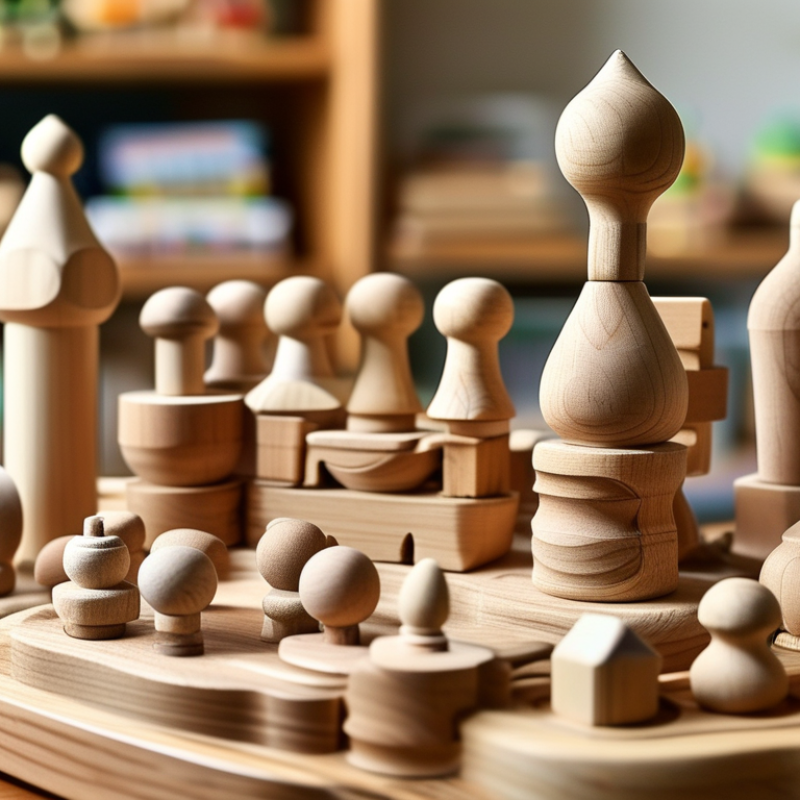
Montessori learning emphasizes child-centered education, fostering independence and critical thinking. It's grounded in specific principles that guide how children learn and interact with the environment. Research shows that children engage better with hands-on materials. According to a study from the American Educational Research Association, children using tactile learning tools demonstrate higher retention rates, enhancing their cognitive development.
Wooden toys align perfectly with Montessori principles. They encourage sensory exploration and imaginative play. Simple, natural materials promote focus and creativity. The International Journal of Early Childhood Education reports that children exposed to wooden toys show improved motor skills and spatial awareness. Unlike plastic toys, wooden ones bring a more authentic tactile experience, allowing children to connect with their learning.
Despite the benefits, it's essential to recognize limitations. Not all children respond the same way to wooden toys. Some may prefer digital interaction over physical. Balancing technology and traditional play is crucial. Educators must continually assess children's engagement and adjust their approaches. This ongoing reflection supports tailored learning experiences that enhance Montessori's impact on child development.
Play is a fundamental aspect of Montessori education. It fosters creativity and
problem-solving skills. Wooden toys can enhance this experience remarkably. They invite children to explore
textures and shapes. Each piece holds the potential for new stories and games. As children manipulate these toys,
they engage physically and mentally. This form of play encourages
independence and critical thinking.
Moreover, wooden toys promote sensory experiences. The natural materials provide warmth and tactile feedback.
Children learn to differentiate sounds, weights, and colors. These interactions deepen their understanding of
the world. However, not all play interactions lead to success. Children may get frustrated
with particular challenges. It's crucial to allow space for reflection during these moments. It helps them develop
resilience and problem-solving skills.
In addition, wooden toys can support collaborative play. Children learn to share and cooperate while playing together.
This interaction builds social skills over time. Nevertheless, some children may struggle with sharing. It's
important for educators to guide them through these situations. They need support to develop
empathy and patience. These moments contribute
significantly to their growth within a Montessori environment.
Wooden toys play a significant role in the Montessori learning environment. They are not only engaging but also enhance sensory skills in children. The natural textures of wood invite tactile exploration. Children can feel the smooth surfaces and notice the weight of different pieces. This sensory interaction is crucial for developing fine motor skills.
Moreover, wooden toys encourage imaginative play. Such play often stimulates creativity as children invent scenarios and stories. For example, a simple block can become a house, a car, or even a character. This variability fosters cognitive growth. However, not all wooden toys are ideal. Some may lack the necessary features to engage children sufficiently. Not every design allows for open-ended play, which is essential in Montessori philosophy.
The sound produced by wooden toys can also enhance auditory skills. The gentle clunk of blocks or the soft thud of a rolling car creates a pleasant experience. Yet, not all sounds are captivating. Some toys may fail to deliver rich auditory feedback, limiting engagement. This reminds caregivers to choose thoughtfully, ensuring toys align with developmental goals.
Wooden toys can significantly enhance children's creativity and problem-solving skills, aligning perfectly with Montessori principles. The tactile nature of wood invites exploration. Children can manipulate these toys in countless ways, sparking imagination. According to a study by the American Academy of Pediatrics, hands-on play promotes cognitive development. Engaging with wooden toys encourages open-ended play, leading to innovative thinking.
Manipulative toys provide opportunities for problem-solving. For instance, building blocks can be used in various configurations. This flexibility helps children learn to experiment and find solutions. Research shows that fostering creativity in early childhood correlates with success later in life. A study published in the Journal of Creative Behavior indicates that imaginative play enhances cognitive and social skills simultaneously.
Tips: Create a designated play area with wooden toys. This makes it easier for children to access them. Encourage collaboration by allowing groups to play together. Prompt discussions about their creations. These simple actions can significantly boost creativity and lead to better problem-solving skills.
This chart illustrates the various benefits that wooden toys can provide in a Montessori learning environment. The enhancement levels reflect how these toys promote creativity, problem-solving skills, motor skills development, emotional growth, and social interaction among children.
Integrating wooden toys into a Montessori curriculum offers unique learning benefits. These toys are not just visually appealing; they also provide tactile experiences that enhance motor skills. Children can manipulate shapes and figures, exploring their physical environment in a hands-on way. This freedom to explore encourages creativity and problem-solving. The natural textures of wood stimulate sensory development, allowing children to connect with their surroundings.
However, not all wooden toys are ideal for Montessori settings. Careful selection is crucial. Toys should promote open-ended play and be safe for various age groups. Some toys may not spark the desired curiosity. Observing children’s reactions to different toys can guide future choices. Encouraging self-discovery is important, even if it leads to some trial and error.
Wooden toys can also foster social interactions. Group activities using these toys help develop communication skills. Children learn to share, collaborate, and negotiate as they engage with peers. Nevertheless, facilitators must gently guide interactions. The goal is to create a nurturing environment while allowing space for self-led learning. Balancing guidance with independence can sometimes be challenging, yet it is essential for true Montessori principles to thrive.
| Dimension | Description | Example of Wooden Toy | Learning Outcome |
|---|---|---|---|
| Sensory Development | Wooden toys provide tactile feedback and various textures for sensory exploration. | Wooden blocks | Enhances fine motor skills and sensory perception. |
| Cognitive Development | Encourages problem-solving and critical thinking through open-ended play. | Puzzle toys | Develops cognitive skills and spatial awareness. |
| Social Skills | Promotes cooperation and sharing among peers during group play. | Stacking rings | Fosters teamwork and communication skills. |
| Creativity | Encourages imaginative play and creativity through open-ended design. | Toy vehicle sets | Stimulates imaginative thinking and innovation. |
| Emotional Intelligence | Helps children express emotions and develop empathy through role-playing. | Doll sets | Promotes emotional understanding and social connection. |
: Wooden toys provide natural textures for tactile exploration, helping children develop fine motor skills.
Wooden toys allow children to invent scenarios, fostering creativity and cognitive growth.
No, some wooden toys may lack features that encourage sufficient engagement for open-ended play.
The sounds from wooden toys can create a pleasant sensory experience, enhancing children's auditory skills.
They encourage imaginative play and problem-solving through manipulation and experimentation with different configurations.
Building blocks allow children to experiment with various configurations, helping them learn to find solutions.
Hands-on play, especially with wooden toys, promotes cognitive development and enhances social skills.
Yes, caregivers should choose toys that align with developmental goals for optimal engagement.
Designate a specific area for play, encourage group play, and discuss creations to boost creativity.
Yes, not all toys produce engaging sounds or facilitate creative play, which may limit their effectiveness.
Wooden toys play a crucial role in enhancing Montessori learning by aligning with the core principles of this educational approach, which emphasizes hands-on experiences and self-directed activity. By incorporating wooden toys into the Montessori curriculum, educators can facilitate a more engaging and effective learning environment. These toys not only promote active play but also aid in developing essential sensory skills, allowing children to explore textures, shapes, and sounds in a tangible way.
Additionally, wooden toys encourage creativity and problem-solving as children engage in open-ended play, fostering their imagination and critical thinking abilities. By understanding how wooden toys support Montessori learning, caregivers and educators can better integrate these resources into their teaching practices, thereby enriching the educational experience and helping children thrive in their developmental journey.

Chicharo Toys